Has your home or roof been affected by the recent wind or hail storm? Contact us today for help!

We Are San Antonio’s #1 Choice For Roofing

Has your home or roof been affected by the recent wind storm? Contact us today for help!

call(210) 267-9029

Does Your San Antonio Skylight Have Hidden Hail Damage?

Updated
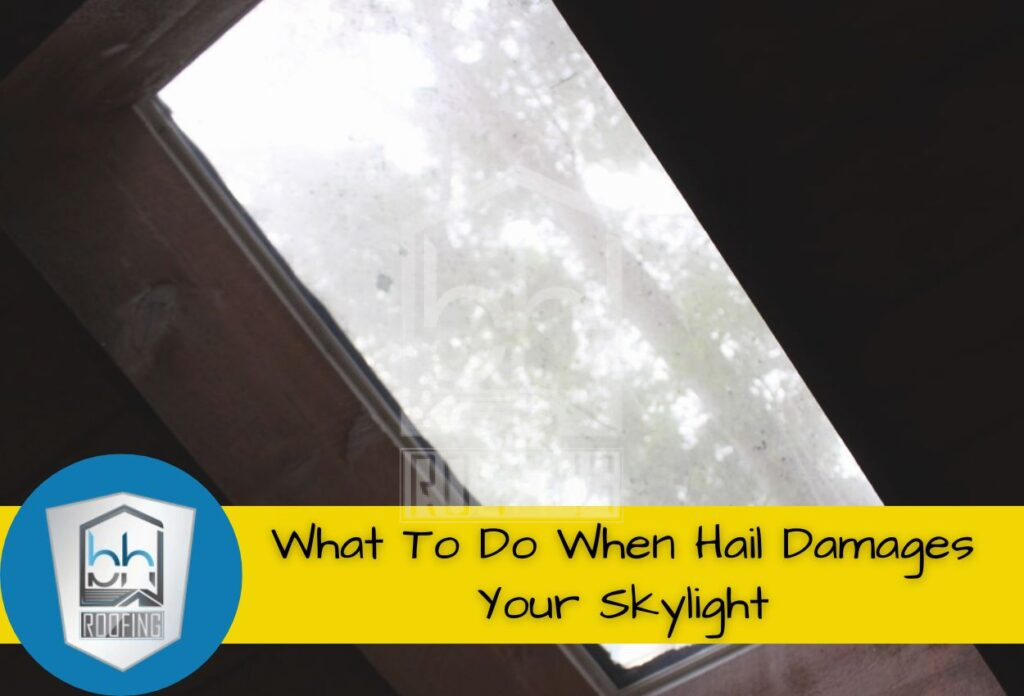
What To Do When Hail Damages Your Skylight

What Every San Antonio Homeowner Must Know About Skylight Hail Damage

If your skylight glass looks fine after a hail storm, that doesn’t mean the damage stopped there. Hail routinely dents, cracks, and dislodges the metal flashing that seals your skylight to the roof, and that seal can fail silently for weeks before a ceiling stain appears. San Antonio homeowners in a hail-prone area should schedule a professional inspection before calling their insurer, not after.

Reading Time 9 minutes

The storm rolled through, you walked outside, looked up at your skylight, and the glass was fine. No cracks. No shattered panels. Most homeowners stop there and assume the skylight survived.

That assumption is exactly what leads to the most expensive repairs we see.

The National Weather Service records an average of 5 to 8 significant hail events per year along the I-35 corridor, with “significant” defined as hail one inch in diameter or larger. Most of that hail doesn’t have the velocity to break tempered skylight glass. But it doesn’t need to.

The real target is the flashing: the metal component designed to create a watertight seal between your skylight and your roof. Once that seal breaks, water starts moving. You won’t see it on your ceiling right away. But it’s already moving through your attic.

Here’s what to look for, what BH Roofing finds when we get on the roof, and what to do before the damage turns into something far more costly.

Does intact skylight glass mean the hail damage stopped there?

No. Tempered skylight glass is engineered to resist impact, and hail often lacks the mass or velocity to crack it. The more vulnerable component is the flashing: the metal seal that connects your skylight curb to the roofing system. Hail easily dents, lifts, or cracks that flashing, breaking the water barrier while leaving the glass completely intact.

Most homeowners look at the glass first, see no cracks, and move on. That gap between what looks fine and what’s actually keeping water out is where the problem starts.

Flashing damage doesn’t announce itself. There’s no visible crack in the glass, no obvious broken seal you can spot from the ground. Water begins moving through the compromised area and travels down the interior of the curb before it reaches your attic. By the time you notice a stain on your ceiling, that water has already been on the move for weeks.

What is skylight flashing?

Skylight flashing is the metal component that creates a watertight seal between your skylight curb and the surrounding roofing material. It’s engineered to direct water away from the joint where two different materials meet. When it’s intact, water sheds off. When hail damages it, water finds the opening and moves straight down into the attic.

Flashing bridges two materials that expand and contract at different rates in Texas heat, which means it’s already under stress before a storm arrives. That joint is exactly where hail does its most significant damage.

Hail doesn’t need to be baseball-sized to compromise flashing. Smaller stones hit with enough force to dent, crack, or dislodge the metal. Once the seal is broken, water follows the path of least resistance straight down the curb.

On roofs across the northwest side of San Antonio, our crew regularly finds flashing already pulling away from the curb after a hail event. The skylights look completely undamaged from the ground. The glass is intact. But when we get up there, the seal is already broken on the upslope side, the side where hail hits first. That’s the damage homeowners miss, and it’s the damage that becomes a ceiling stain six weeks later.

According to Skylight Specialists, if the cladding sealed directly to the skylight glazing profile is damaged, the primary weatherseal is compromised and cannot be repaired in the field. That’s a replacement, not a patch.

What signs of skylight hail damage can you see from the ground?

Look for dented or lifted metal along the skylight’s edges, separation where the flashing meets the surrounding shingles, granule displacement on the roof surface around the curb, and any ceiling discoloration inside the home near the skylight. If any of these are visible from the ground, the damage is already advanced and the seal has likely been compromised.

Ground-level signs to check after a hail storm:

  • Dents or deformation along the metal flashing at the skylight’s edges
  • Lifting or separation where the flashing meets the roof surface
  • Granule displacement on shingles immediately surrounding the curb
  • Water staining or discoloration on the interior ceiling near the skylight
  • Visible cracks or gaps where the curb meets the roofing material

Photograph everything before calling your insurance company. Walk around the home and document the skylight from multiple angles. Your insurer will want this documentation, and an adjuster on a standard visit may miss details that a photo taken the day after the storm captures clearly.

The absence of ground-level signs doesn’t confirm the skylight is intact. The most significant flashing damage sits on the roof surface, not visible from below. A professional residential roof inspection is the only way to confirm the seal is holding.

What BH Roofing finds when we get on the roof

When we respond to a hail call and get on the roof, we’re looking at things a homeowner can’t see from the ground. That includes soft spots in the flashing metal, lifting at the curb where the seal has started to separate, and the pattern of granule loss on the surrounding shingles. That granule pattern tells us the storm direction and intensity, and it helps us assess how much force reached the skylight area.

Our 27-point inspection documents every contact point, not just the visible ones. We photograph the flashing condition, measure any separation at the curb, and compile that documentation for the insurance adjuster before they arrive. An adjuster working from ground level or a quick walkover will often miss what’s only visible from the roof surface.

After a hail event on the northwest side of San Antonio, we inspected a home where the homeowner was confident the skylight had survived. The glass was completely intact. When we got on the roof, the flashing had already started pulling away from the curb on the upslope side. Water wasn’t showing inside yet, but it would have within a few weeks. We caught it before the ceiling was involved and before the repair turned into a drywall and insulation job. That’s what the inspection is for.

What should you do immediately after a hail storm hits your home?

The most important thing you can do right after a hail storm is document visible damage from ground level and call a certified roofer before contacting your insurance company. Most homeowners call their insurer first, then wait for the adjuster. When a roofer inspects first, they identify damage that adjusters on a standard visit often miss, and that documentation directly affects your claim outcome.

Don’t climb onto the roof yourself. Even if conditions seem stable, a freshly hailed roof has wet, potentially compromised surfaces that aren’t safe to assess without proper equipment. Documentation and inspection should start at ground level and involve a professional.

Here’s what to do that protects your claim and your home:

  1. Contact your insurer once the inspection report is in hand
  2. Photograph visible damage from the ground, including all sides of the skylight and the surrounding roof surface
  3. Schedule a professional roof inspection before calling your insurer
  4. Check your policy’s claim filing window (covered in the next section)

If there’s active water intrusion, BH Roofing’s emergency tarping service can secure the area within hours and stop interior damage while the full inspection is scheduled.

How does the Texas insurance deadline affect your skylight claim?

Texas homeowners generally have between 90 days and one year from the date of the storm to file a hail damage claim, depending on their specific policy. Wind and hail policies through TWIA carry a firm one-year deadline from the date of damage. Many private policies require initial notice within 90 to 180 days. Waiting past that window gives your insurer grounds to deny the claim outright.

The mistake we see most often: a homeowner notices a ceiling stain months after a storm, then files a claim. By that point, the insurer may classify the damage as pre-existing or argue the delay contributed to the severity. What started as a flashing repair becomes a disputed claim.

Filing early, with a documented inspection report in hand, changes that conversation. BH Roofing handles the documentation and is on-site when the adjuster walks the roof so nothing gets missed. Our insurance claim process is built to give homeowners the strongest possible documentation from the start.

The Texas Department of Insurance recommends reviewing your policy’s specific reporting deadlines immediately after a storm event, before waiting to see if damage develops.

When should you repair a hail-damaged skylight vs. replace it?

If hail has dented or cracked only the flashing without affecting the curb or glazing profile, a flashing repair or replacement is often sufficient. If the cladding sealed directly to the skylight glazing has been compromised, the primary weatherseal cannot be repaired in the field and the unit needs full replacement. Hailstones larger than 2 inches typically warrant replacement regardless of what visible damage shows.

Your storm damage roof repair and skylight assessment should happen together. Skylights are part of the roofing system, not a separate home feature. Repairing the roof without checking the skylight condition leaves a gap in the water barrier that the next rain will find.

A full assessment also affects your insurance outcome. If your claim documents only the skylight and misses related flashing and decking damage, you may be leaving valid coverage on the table. Learn more about what’s involved in BH Roofing’s skylight services and when a full replacement makes sense.

The ceiling stain is the last sign, not the first

By the time water shows up on your ceiling, it’s been moving through your attic for a while. The flashing failed. The seal broke. The inspection window may be closing. All of that happened before any visible evidence appeared inside the home.

If a storm came through your area, don’t wait for a sign of water inside. Get the inspection done, get the documentation in hand, and know your policy’s filing window before it closes. The homeowners we help with the smoothest claims are the ones who called us before the adjuster.

BH Roofing’s 27-point roof inspection covers skylights, flashing, and every point of the roofing system a standard adjuster visit might miss. Call us at (210) 267-9029 or visit bhroofingsa.com/exterior-services/skylights/ to schedule.

Bobby Hernandez, Master Roofer

Bobby Hernandez is the owner of BH Roofing, a family-run roofing company based in San Antonio. With a strong commitment to quality and customer care, Bobby leads his team in delivering reliable residential and commercial roofing services, including storm restoration. Backed by an A+ BBB rating and consistent 5-star reviews, he takes pride in providing honest assessments, transparent pricing, and expert craftsmanship to keep homes and businesses protected.
4.9 Stars - Based on 445 User Reviews

Frequently Asked Questions

Got questions about your roof? We’ve got answers. From maintenance tips to insurance claims and repair timelines, our FAQ section covers the most common concerns homeowners have. Get informed and make confident decisions about protecting your home.

Skylight Hail Damage: Common Questions

How do I know if my skylight was damaged by hail?

Look for dents or lifting along the metal flashing at the skylight’s edges and granule displacement on shingles around the curb. Interior ceiling discoloration near the skylight means water is already inside. The most reliable confirmation is a professional roof inspection, since the most significant flashing damage isn’t visible from the ground.

Can hail damage a skylight without cracking the glass?

Yes. Tempered skylight glass is designed to resist impact, so hail often leaves the glass intact while denting or dislodging the metal flashing that seals the curb to the roof. That broken seal allows water to enter silently. An intact pane of glass after a storm is not confirmation the skylight survived undamaged.

Does homeowners insurance cover skylight hail damage in Texas?

Most standard Texas homeowners policies cover skylight hail damage, including flashing repair and full replacement when required. Coverage depends on your specific policy terms. Filing with a documented inspection report from a certified contractor improves your outcome. Review your policy’s reporting deadline immediately after a storm, before waiting to see if damage appears.

How long do I have to file a skylight hail damage claim in Texas?

Texas policy deadlines vary by insurer. TWIA wind and hail policies allow one year from the date of damage. Many private policies require initial notice within 90 to 180 days. Filing late gives your insurer grounds to deny the claim. Check your policy as soon as a storm hits your area and schedule a professional inspection before that window closes.

Should I repair or replace a hail-damaged skylight?

Repair is appropriate when only the flashing is damaged and the skylight’s glazing profile and primary seal are intact. Replacement is necessary when the cladding bonded to the glazing has been compromised, or when hailstones larger than 2 inches struck the unit. A BH Roofing inspection will determine which situation applies and document the findings for your insurance claim.

Protect Your Home with Expert Roofing

Don’t wait for leaks or storm damage to cause costly repairs. Our experienced roofing team provides fast, reliable service, high-quality materials, and lasting results. Ensure your home stays safe, secure, and looking great—contact us today for a free estimate.

Google 5 star rating Facebook 5 star rating