TL;DR
Businesses fund a commercial roof replacement mainly through commercial bank loans (about 5.4% to 8.8% APR), SBA 504 loans (around 6%), equipment financing (fast, from about 8% APR), PACE financing, or contractor financing, often paired with insurance when storm damage is the cause. Section 179 may let you deduct much of the cost in the first year. Speed favors equipment or contractor financing; the best rates favor bank and SBA loans. Confirm specifics with your lender and CPA; this is general information, not financial advice.
Most businesses fund a commercial roof replacement one of five ways: a commercial bank loan, an SBA 504 loan, equipment financing, PACE financing, or contractor financing, sometimes paired with insurance proceeds when storm damage is involved. The right path depends on how fast you need it, whether you own the building, and how the payments fit your cash flow. Many owners also use the Section 179 tax deduction to offset the cost.
None of these require draining your operating capital at once. Below is what each option looks like in 2026, when it fits, and the tax angle worth asking your accountant about. This is general information, not financial or tax advice, so confirm the specifics with your lender and CPA.
How do businesses pay for a commercial roof replacement?
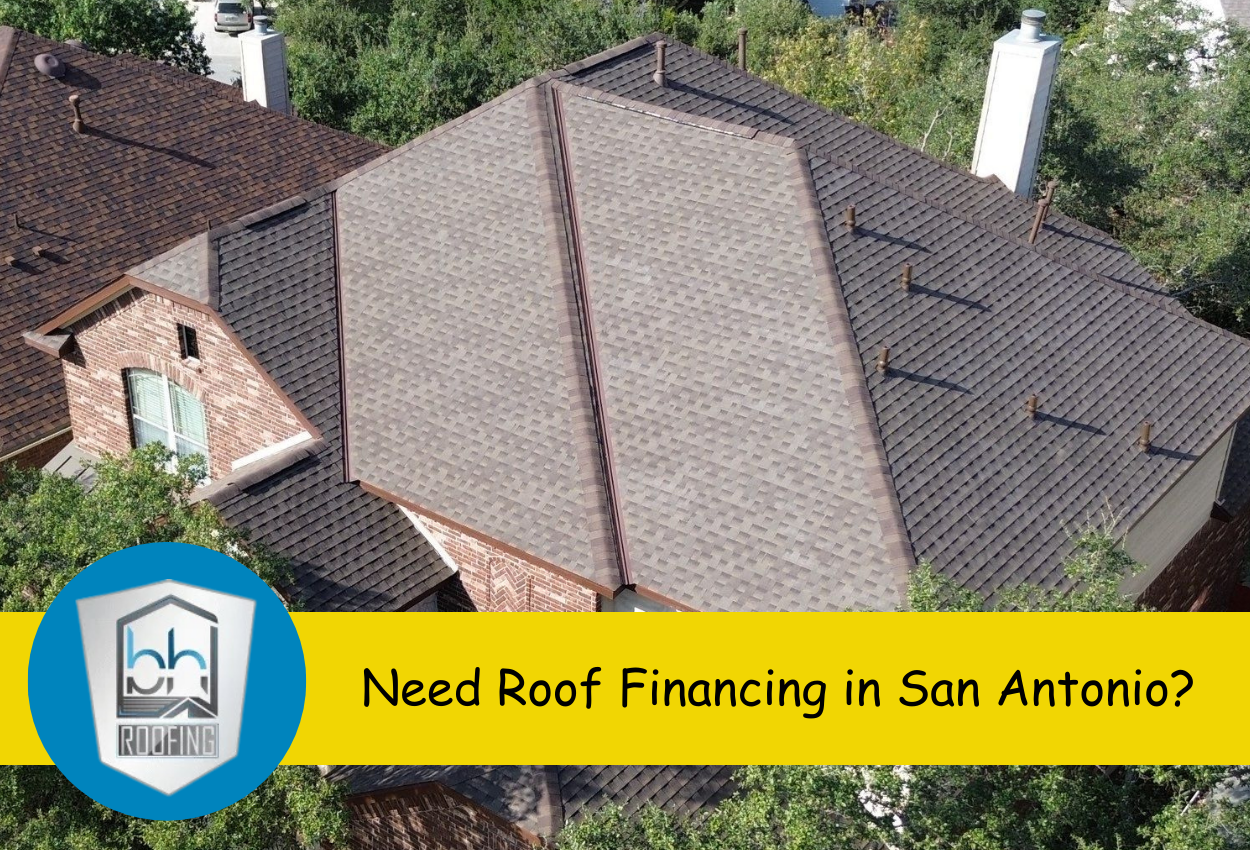
Most use financing rather than cash, spreading the cost over years so a re-roof doesn’t hit one quarter’s budget. The common vehicles are commercial loans, SBA 504 loans, equipment financing agreements, PACE programs, and contractor-arranged financing. Which one wins usually comes down to approval speed, ownership, and the rate you qualify for.
| Option | Typical 2026 terms | Best for |
|---|---|---|
| Commercial bank loan | About 5.4% to 8.8% APR, multi-year | Owners with a banking relationship chasing the lowest rate |
| SBA 504 loan | Around 5.9% to 6% APR, fixed-asset improvements | Owner-occupied buildings, longer approval OK |
| Equipment financing (EFA) | From roughly 8% APR, approval in 24 to 48 hours | Speed, active leaks threatening inventory |
| PACE financing | Repaid through a property tax assessment | Energy-efficient roof upgrades, long terms |
| Contractor financing | Varies by lender partner | Simple, bundled with the project |
The fastest options rarely carry the lowest rate, and the cheapest rate rarely funds the quickest. A leaking warehouse roof that’s soaking inventory is a different decision than a planned replacement budgeted a year out.
What are the main commercial roof financing options?
A commercial bank loan usually offers the best rate if you have a standing relationship and time to wait, since approval can take weeks. An SBA 504 loan is built for major fixed-asset improvements like a roof on an owner-occupied building, with competitive rates in exchange for a longer process. Both reward planning ahead of the busy season.
When speed matters, equipment financing treats the roof like essential machinery and can approve in a day or two, which is why contractors often partner with these lenders. PACE financing ties repayment to your property tax bill and suits energy-efficient upgrades. For the full menu of roof financing structures, NerdWallet’s roof financing guide compares the payment methods side by side.
Can you deduct a commercial roof replacement on taxes?
Often, yes, and it’s the piece owners overlook. Under Section 179, many businesses can deduct the full cost of a commercial roof replacement in the first year rather than depreciating it over decades, up to the annual limit, which is in the millions for 2026. That deduction can meaningfully offset the cost of financing.
The rules have conditions, so this is a conversation for your accountant, not a guarantee. Confirm eligibility and timing with a CPA, and check the current limits on the IRS Section 179 guidance before you count on it. Used well, the tax treatment can change which financing option actually costs the least after taxes.
When does insurance cover a commercial roof replacement?
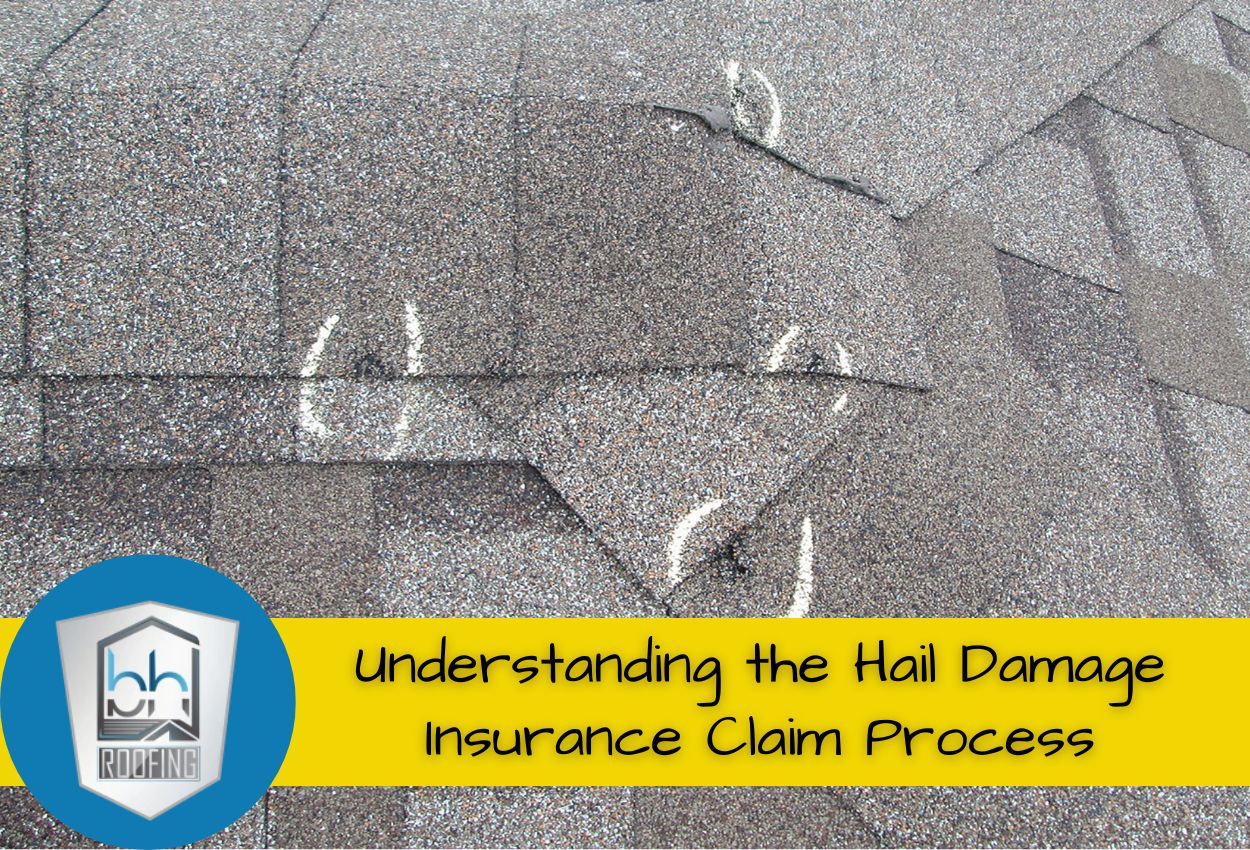
When the cause is sudden and covered, like storm, hail, or wind damage, rather than age or wear. If a storm takes out the roof, your commercial property policy may fund much of the replacement, subject to your deductible and terms. Slow deterioration and deferred maintenance, though, almost never qualify.
BH Roofing provides documentation and photos to support your claim, and the claim itself stays between your business and your carrier. We don’t file, negotiate, or represent you to the adjuster, that’s the role of a licensed public adjuster if you choose to hire one. Clear documentation of the damage is what gives a legitimate claim its best footing. Our commercial roofing team handles the roof; your carrier handles the claim.
How do you choose the right funding path?
Start with two questions: how fast do you need the roof, and do you own the building? Urgency pushes you toward equipment financing or contractor financing for their speed. Ownership and patience open up bank loans and SBA 504 for their better rates. Then layer in the Section 179 tax treatment, which can tip the after-tax math toward one option.
On commercial jobs locally, we’ve found the costliest mistake is waiting until a small leak becomes an emergency, which strips away the cheaper, slower financing options. Planning a replacement before the roof forces your hand keeps every path open. A commercial roof maintenance program buys that lead time by catching problems early.
The bottom line on funding a commercial re-roof
You have real choices: bank loans and SBA 504 for the best rates, equipment or contractor financing for speed, PACE for energy upgrades, and insurance when a storm is the cause, often with a Section 179 deduction on top. The right mix depends on your timeline, ownership, and cash flow, so line up the numbers with your lender and CPA.
The one number none of it works without is an accurate scope. Book a commercial roof assessment and you’ll get photos, a written report, and a firm replacement price to take to any lender. Bring your timeline and we’ll help you keep the cheaper financing options on the table.
Schedule a Commercial Roof Assessment or call (210) 267-9029.