What is a Cool Roofing System? A Guide for San Antonio Homeowners

Updated
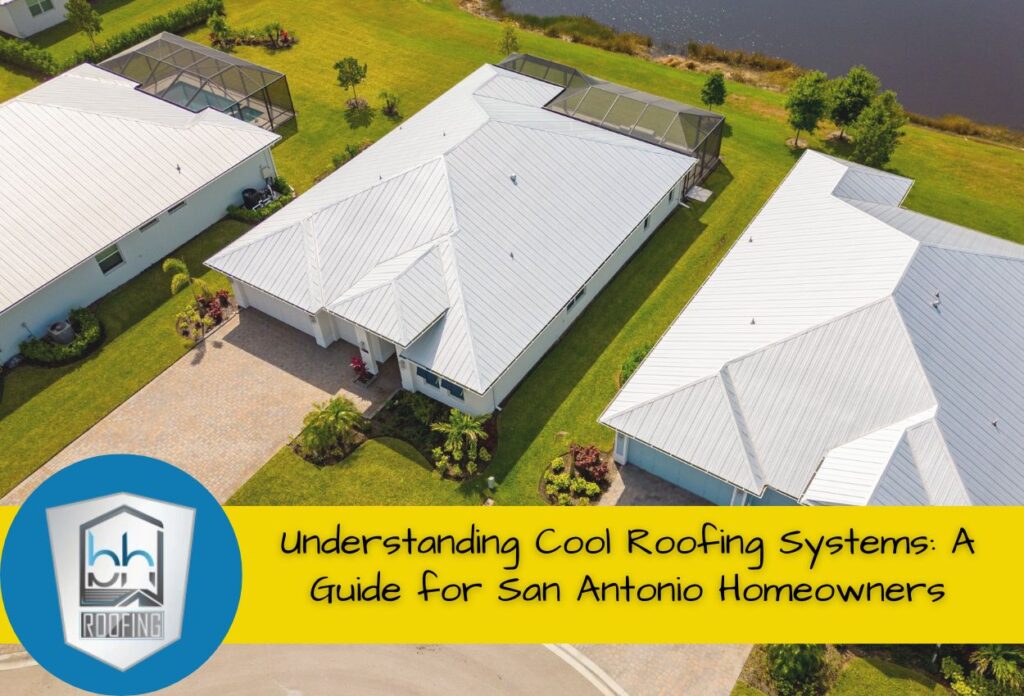
Understanding Cool Roofing Systems: A Guide for San Antonio Homeowners

TL;DR

A cool roof is one built to reflect sunlight and shed absorbed heat instead of soaking it up, so it stays far cooler than a dark roof, up to 50 to 60 degrees cooler on a hot afternoon. That lower rooftop temperature trims your cooling bill and can extend the roof’s life. You can get there with reflective coatings, light membranes, cool shingles, or metal. In San Antonio heat, it’s one of the higher-return roofing upgrades.

Reading Time 4 minutes

If your roof gets hot enough to fry an egg in July, it is pouring that heat straight into your attic and your air conditioner is paying for it. A cool roof is the fix. It reflects most of the sun instead of absorbing it, so the roof, the attic, and the rooms under them all run cooler. Here is what a cool roof actually is, how it works, the types you can choose from, what it costs, and whether it pays off in San Antonio.

What is a cool roof?

A cool roof is any roof designed to reflect more sunlight and release the heat it does absorb, rather than soaking it up like a standard dark roof. Two properties define it: solar reflectance, how much sunlight it bounces back, and thermal emittance, how efficiently it sheds absorbed heat. A dark asphalt roof might reflect only about 20 percent of the sun and bake to well over 150 degrees. A reflective cool roof can bounce back the majority of it and stay dramatically cooler in the same sun. That is the whole idea, keep the heat off the roof so it never reaches the house.

How does a cool roof work, and how much cooler is it?

By reflecting sunlight before it turns into heat. A clean white or reflective roof reflecting around 80 percent of the sun can run roughly 50 to 60 degrees cooler than a dark roof reflecting only 20 percent on a hot afternoon. That temperature gap is the payoff: a cooler roof means a cooler attic, which means your air conditioner cycles less to hold the same indoor temperature. In a San Antonio summer, where the roof is under brutal sun for months, that adds up on the utility bill and takes some strain off the HVAC system.

What are the types of cool roofing?

There is more than one way to get a cool roof, and the right one depends on your roof’s slope and material. The common paths run from a simple coating over what you already have to a full reflective material.

Cool roof typeHow it stays coolNotes
Reflective coatingA white or reflective coat brushed or sprayed over an existing roofCheapest route, about $0.15 to $2.50 per sq ft, good on flat or low-slope roofs
Single-ply membrane (TPO or PVC)A light-colored, reflective membraneAbout $1.50 to $3 per sq ft, common on flat roofs
Cool asphalt shinglesGranules engineered to reflect more sunlightKeeps a normal shingle look with better reflectance
Cool tileReflective clay or concrete tileNaturally reflective and long-lived
Reflective metalA reflective finish over metal panelsCan lower AC costs up to about 25 percent versus dark asphalt

How much does a cool roof cost, and does it save money?

A coating on an existing roof is the cheapest way in, around $0.15 to $2.50 per square foot, while a single-ply reflective membrane runs about $1.50 to $3. The savings come off the cooling side of your utility bill, since the attic and HVAC no longer fight a superheated roof all summer, and a reflective metal roof can cut that cooling cost by up to a quarter against dark asphalt. There is one honest caveat: cool roofs earn their keep in hot climates, so San Antonio is close to the ideal case, while a cold-winter climate would give some of the summer savings back on heating. On the incentive side, CPS Energy has offered rebates on energy-efficient roofing, which we cover alongside the metal-roof heat and rebate details.

Is a cool roof worth it in San Antonio?

For most homes here, yes. Our climate is exactly the one cool roofs are built for: long, punishing summers where a dark roof turns into a heat sink and the air conditioner never catches a break. A cool roof cuts the peak rooftop temperature, eases the cooling load, and can add years to the roof by sparing it the worst of the thermal cycling. Pair it with good attic ventilation and the effect is even stronger.

BH Roofing installs cool roofing across greater San Antonio, from reflective coatings and membranes to cool shingles and metal, and every project starts with a free 27-point inspection so the recommendation matches your roof, your slope, and your budget. Schedule your free inspection or call (210) 267-9029.

Bobby Hernandez, Master Roofer

Bobby Hernandez is the owner of BH Roofing, a family-run roofing company based in San Antonio. With a strong commitment to quality and customer care, Bobby leads his team in delivering reliable residential and commercial roofing services, including storm restoration. Backed by an A+ BBB rating and consistent 5-star reviews, he takes pride in providing honest assessments, transparent pricing, and expert craftsmanship to keep homes and businesses protected.
5.0 Stars - Based on 471 User Reviews

Frequently Asked Questions

Got questions about your roof? We’ve got answers. From maintenance tips to insurance claims and repair timelines, our FAQ section covers the most common concerns homeowners have. Get informed and make confident decisions about protecting your home.

What is a cool roof?

A cool roof reflects more sunlight and releases absorbed heat better than a standard dark roof, so it stays cooler in the same sun. It’s defined by solar reflectance, how much sun it bounces back, and thermal emittance, how well it sheds heat. The result is a cooler roof, attic, and home.

How does a cool roof work?

It works by reflecting sunlight before it becomes heat. A reflective surface bounces back most of the sun instead of absorbing it, so the roof stays far cooler and passes less heat into the attic. Your air conditioner then cycles less to hold the same indoor temperature, which is where the savings come from.

How much cooler does a cool roof stay?

On a hot afternoon, a clean reflective roof bouncing back about 80 percent of the sun can run roughly 50 to 60 degrees cooler than a dark roof reflecting only 20 percent. That surface-temperature gap is what drives the lower attic temperature and the reduced cooling load underneath it.

How much does a cool roof cost?

It depends on the type. A reflective coating over an existing roof runs about $0.15 to $2.50 per square foot, and a single-ply reflective membrane about $1.50 to $3. A full cool roof costs more. Coating an average home professionally often lands in the hundreds to low thousands.

Do cool roofs actually save money?

In a hot climate, yes. By keeping the roof and attic cooler, a cool roof lowers the cooling side of your utility bill and eases wear on the HVAC. A reflective metal roof can cut cooling costs up to 25 percent versus dark asphalt. Savings are largest where summers are long, like San Antonio.

What are cool roof shingles?

Cool asphalt shingles use specially engineered granules that reflect more sunlight than standard shingles while keeping the same familiar look. They don’t reflect as much as a white coating or membrane, but they’re a simple way to add reflectance on a normal pitched roof without changing the roof’s appearance much.

What is a cool roof coating?

A cool roof coating is a reflective layer, usually white, brushed or sprayed over an existing roof to boost how much sunlight it reflects. It’s the cheapest way to make a roof cooler, works well on flat or low-slope roofs, and also adds a layer of weather protection to the surface underneath.

Are there rebates for cool roofs?

Often, yes. Utilities including CPS Energy have offered rebates on energy-efficient and reflective roofing, since cooler roofs lower peak electricity demand. Programs and amounts change year to year, so it’s worth checking current offers before you install. We keep the metal and rebate details on a companion guide.

Do cool roofs work in cold climates?

They shine in hot climates and are less clear-cut in cold ones. In a place with long, hot summers like San Antonio, the cooling savings are substantial. In a cold-winter climate, a reflective roof can slightly raise heating costs, so the payoff depends on how your year splits between cooling and heating.

How long does a cool roof last?

Most cool roofs last roughly 15 to 30 years, depending on the type. Coatings sit at the shorter end and may need reapplying, while reflective membranes, tile, and metal last longer. Keeping the surface clean matters, since a dirty reflective roof loses some of the reflectance that makes it cool.

Protect Your Home with Expert Roofing

Don’t wait for leaks or storm damage to cause costly repairs. Our experienced roofing team provides fast, reliable service, high-quality materials, and lasting results. Ensure your home stays safe, secure, and looking great—contact us today for a free estimate.

Google 5 star rating Facebook 5 star rating

BH Roofing | Roofing Company in San Antonio, TX uses Accessibility Checker to monitor our website's accessibility.