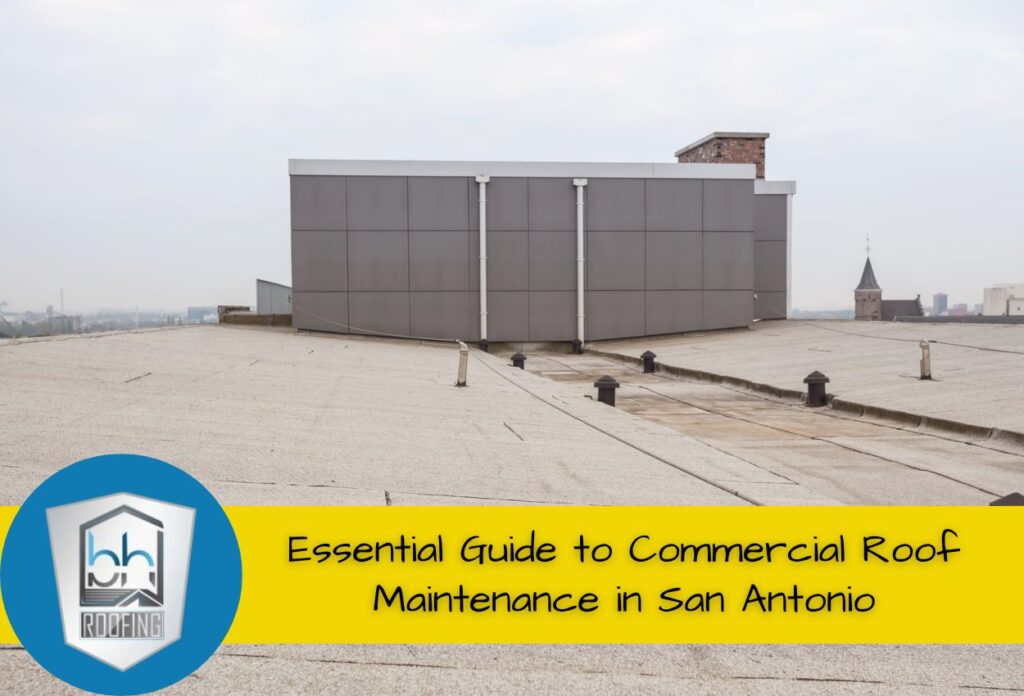
Commercial Roof Maintenance in San Antonio: What It Saves
TL;DR
A commercial roof maintenance program is scheduled, documented care, usually two inspections a year (spring and fall, plus after major storms), that keeps a low-slope roof draining, sealed, and under warranty. Maintained commercial roofs last far longer than neglected ones (roughly 21 years versus 13), and most manufacturer warranties require documented maintenance to stay valid. Because emergency repairs cost several times more than planned ones, a program is the cheapest way to protect the roof and the warranty behind it.
A commercial roof maintenance program is scheduled, documented care, usually two inspections a year, that keeps a low-slope roof draining, sealed, and under warranty. It matters because a maintained commercial roof lasts far longer than a neglected one, often around 21 years versus 13, and because most manufacturer warranties require documented maintenance to stay valid. Skip it and you risk paying full price for repairs the warranty would have covered.
The math is the real argument. Emergency roof repairs cost several times more than the planned kind, so catching an open seam in a scheduled visit is the difference between a small task and a five-figure surprise. Here’s what a program includes, how often, and why it pays for itself.
What does a commercial roof maintenance program include?
At its core, twice-yearly inspections that check the roof the way you’d service any critical asset, plus the documentation your warranty depends on. A technician clears drainage, checks seams and flashing, scans the membrane for punctures and blisters, and logs it all in a file on the roof’s condition. Small fixes happen before they become leaks.
| Checked twice a year | Why it matters |
|---|---|
| Drains, scuppers, downspouts | Clogs cause ponding, the top leak driver |
| Seams and flashing | Open seams are the most common leak source |
| Membrane surface | Punctures, blisters, and wear caught early |
| Penetrations (HVAC, vents) | Equipment curbs are frequent leak points |
| Documentation | Manufacturers require it to keep the warranty valid |
Between visits, your own team can help by keeping drains and scuppers clear of leaves and debris, which is the single biggest thing that prevents ponding. Our commercial roof maintenance program handles the scheduled inspections and the warranty paperwork.
How often should a commercial roof be inspected?
At least twice a year, plus after any major storm. The National Roofing Contractors Association recommends one inspection in spring, after winter’s wear, and one in fall, before the next cold season, and FacilitiesNet echoes that twice-yearly cadence for commercial systems. Storm-prone areas add an inspection after significant hail or wind.
That rhythm exists because problems on a flat roof hide until they leak. A seam that opened over the summer won’t announce itself until the first heavy rain finds it. Scheduled visits catch it in between, which is the whole point. For how storm damage factors in, our team also handles commercial roof repair when an inspection turns something up.
Does maintenance really keep my warranty valid?
Yes, and it’s the part owners most often overlook. Most commercial membrane manufacturers require at least one documented annual inspection by an authorized contractor to keep the warranty in force. Without that paper trail, a manufacturer can deny a claim for a defect the warranty would otherwise cover, leaving you liable for a repair or even a replacement.
That’s why the documentation matters as much as the inspection itself. A maintenance program creates the record manufacturers ask for, so coverage holds when you need it. As GAF notes for property owners, professional maintenance protects both the building and the warranty behind it.
What does commercial roof maintenance save you?
Money, in three places: repairs, replacement timing, and emergencies. Proactive maintenance can cut a roof’s total lifecycle cost by a large margin by stopping small issues before they spread. It pushes the expensive replacement years down the road by extending the roof’s life. And it slashes the emergency calls that carry a steep premium over planned work.
On commercial roofs locally, we’ve found the costliest failures almost always started as something a routine visit would have caught, a clogged drain, a lifted seam, a cracked boot around an HVAC curb. A twice-yearly program is cheap insurance against the leak that shuts down operations. Pairing it with the right commercial roofing system is how a roof reaches its full service life.
Who needs a maintenance program most?
Property managers and owners of buildings where a leak means real disruption: warehouses with inventory, restaurants, offices, and multi-tenant properties. The bigger the footprint and the higher the cost of downtime, the more a scheduled program earns its keep. Manufacturer warranty requirements also make it close to mandatory for newer systems.
If your roof is under warranty, a program is how you protect that coverage. If it’s older, maintenance is how you squeeze the most years out of it before replacement. Either way, the plan is built around your roof’s system and age, not a one-size template.
The bottom line on commercial roof maintenance
A maintenance program is the cheapest way to protect a commercial roof: two documented inspections a year that keep it draining, keep the warranty valid, and catch small problems before they become expensive ones. Maintained roofs last longer and cost less over their life, and the documentation keeps your coverage intact when a claim comes up.
The first step is a baseline assessment of where your roof stands today. Book a commercial roof evaluation and you’ll get photos, a written condition report, and a maintenance plan sized to your building. Bring your warranty paperwork and we’ll make sure the program keeps it valid.
Schedule a Commercial Roof Evaluation or call (210) 267-9029.