TL;DR
Filing a hail claim in Texas comes down to five moves: photograph the damage, check your policy for your wind and hail deductible, file with your insurer promptly, let their adjuster inspect, and hire a licensed roofer for the repair once it’s approved. A roofer’s job here is to document the damage with photos, not to file or negotiate your claim, that’s between you and your insurer or a licensed public adjuster. And watch out for any contractor who offers to waive your deductible, which is illegal in Texas.
A hail claim in Texas isn’t complicated, but the order and the paperwork matter, and a few missteps can cost you the payout. You document the damage, check what your policy actually covers, file promptly, and let the adjuster do their inspection before repairs start. Below is the full process step by step, how the wind and hail deductible works in Texas, and the red flags that separate an honest roofer from a storm-chaser.
How do you file an insurance claim for hail damage?
Five steps, in order. Start by photographing everything, then work through your policy, the filing, the adjuster’s visit, and the repair once it’s approved.
| Step | What to do | Why it matters |
|---|---|---|
| 1. Document | Photograph the roof plus dented gutters, downspouts, AC unit, and screens; note the storm date | Your claim stands on this proof |
| 2. Check your policy | Find your wind and hail deductible and what’s covered | Tells you whether filing makes sense |
| 3. File promptly | Contact your insurer and fill out the claim forms they send | Texas policies have filing deadlines |
| 4. Adjuster inspects | The insurer sends an adjuster to assess the damage | This sets your payout |
| 5. Repair | Once it’s approved, hire a licensed local roofer | Restores the roof the right way |
Work through those in sequence and the claim tends to go smoothly. The two places people slip are skipping the documentation and starting repairs before the adjuster has seen the damage, which can complicate the payout.
How does a hail deductible work in Texas?
Many Texas policies carry a separate wind and hail deductible, and it’s often a percentage of your home’s insured value rather than a flat dollar amount. That means your out-of-pocket on a storm claim can be higher than for other kinds of damage, so it’s worth knowing the number before a storm, not after. The Texas Department of Insurance has plain-language guidance on exactly this.
Because the deductible comes out of your pocket first, the math on whether to file depends on it. If the damage is minor and the repair barely tops your deductible, a claim may not be worth it. If hail did real damage, the payout should clear the deductible with room to spare.
What is a roofer’s role in a hail claim, and what isn’t?
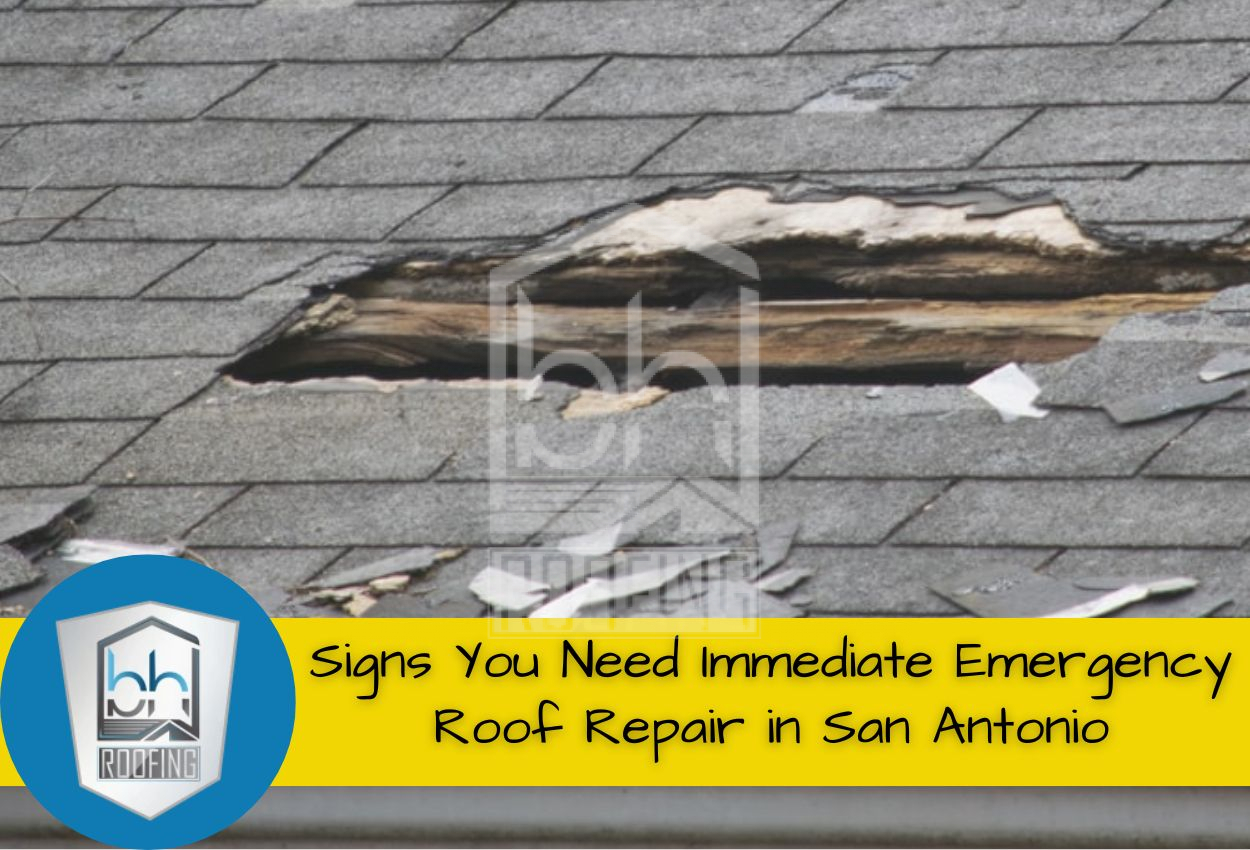
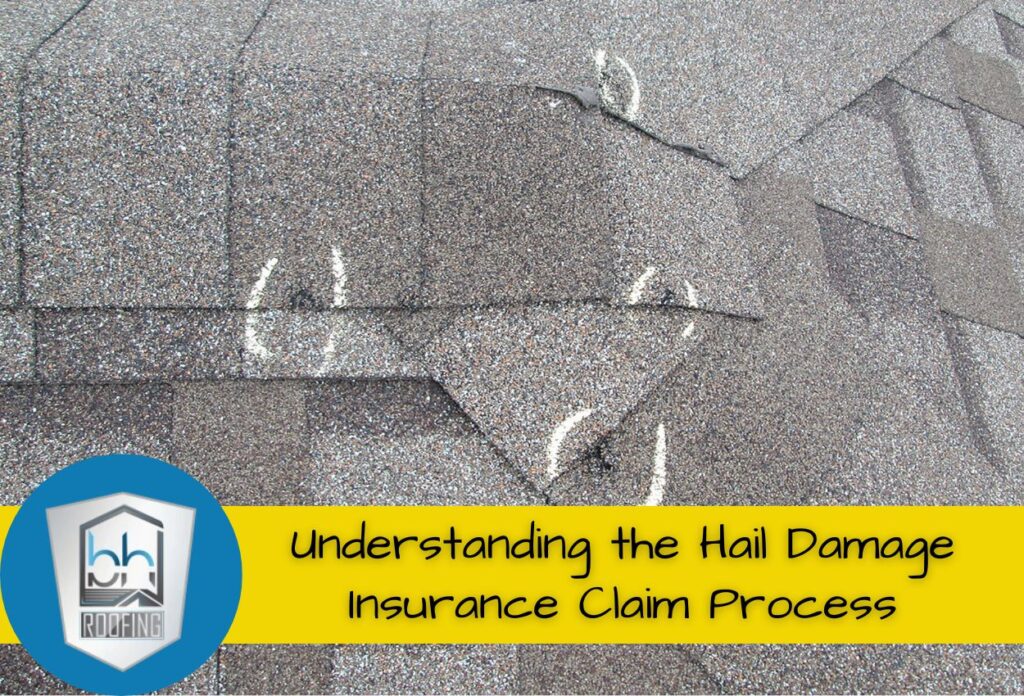
A roofer documents the damage. We climb the roof safely, photograph the hail bruising, granule loss, and dented metal, and give you a detailed inspection report you can submit with your claim. That documentation is genuinely useful, since a lot of hail damage is hard to see from the ground and easy to under-count.
What a roofer cannot do is handle the claim for you. BH provides the documentation and photos to support your claim, but we’re not a public adjuster, so we don’t file it, negotiate it, or deal with your adjuster on your behalf. In Texas, only a licensed public adjuster can represent a homeowner on a claim. If you want someone advocating on the insurance side, that’s who to hire, not the roofer.
What are the red flags and do’s and don’ts?
The biggest one is the deductible. If a contractor offers to “waive,” “eat,” or “absorb” your deductible, walk away, because it’s illegal in Texas and a sign of exactly the kind of company you don’t want on your roof. Reputable roofers charge the real price and you pay your real deductible.
A few more worth keeping in mind: document before anyone touches the roof, don’t let a storm-chaser pressure you into signing on the spot, and be cautious about signing over your claim rights (an “assignment of benefits”) to a contractor. Our guide on avoiding roofing scams after a storm covers the out-of-town-crew pattern in more detail.
Should you file a claim for hail damage at all?
Not every hailstorm is worth a claim. If the damage is cosmetic or the repair only slightly exceeds your deductible, filing may not pay off, and claims can affect your future premiums. When hail does real, widespread damage, though, a claim is usually the right move.
The way to know is a proper inspection. A documented hail damage inspection shows you the true extent, bruising and granule loss you can’t see from the yard, so you can weigh the likely repair against your deductible and decide with real information instead of a guess.
Get your hail damage documented the right way
Filing a Texas hail claim really is a five-step process: document, check your policy, file promptly, let the adjuster inspect, and repair with a licensed roofer once it’s approved. Handle the documentation well and avoid the deductible-waiver crowd, and the rest tends to fall into place. When the repair is approved, our hail damage roof repair team restores it properly.
BH Roofing serves greater San Antonio, and our free 27-point roof inspection gives you the photographed damage report you’ll want in hand before you file. Schedule your inspection or call (210) 267-9029.