Hail Damage Roof Repair San Antonio | What Homeowners Should Know
TL;DR
Hail an inch across (quarter-sized) is enough to functionally damage asphalt shingles, and golf-ball hail can total a roof. Repairs average around $4,250, with full replacements running $8,000 to $22,000, and most Texas policies carry a separate 1 to 2% wind and hail deductible. Document damage within days, file within your policy’s window (often one year), and get a free documented inspection before signing anything with a door-knocker.
Hail doesn’t announce the damage it leaves. After a storm passes, most roofs look fine from the driveway, and the bruised shingles, cracked mats, and loosened granules don’t turn into ceiling stains until months later. By then the connection to the storm is harder to prove. Here’s what hail actually does to a roof, what the repair costs, and how the insurance side works in Texas.
What size hail actually damages a roof?
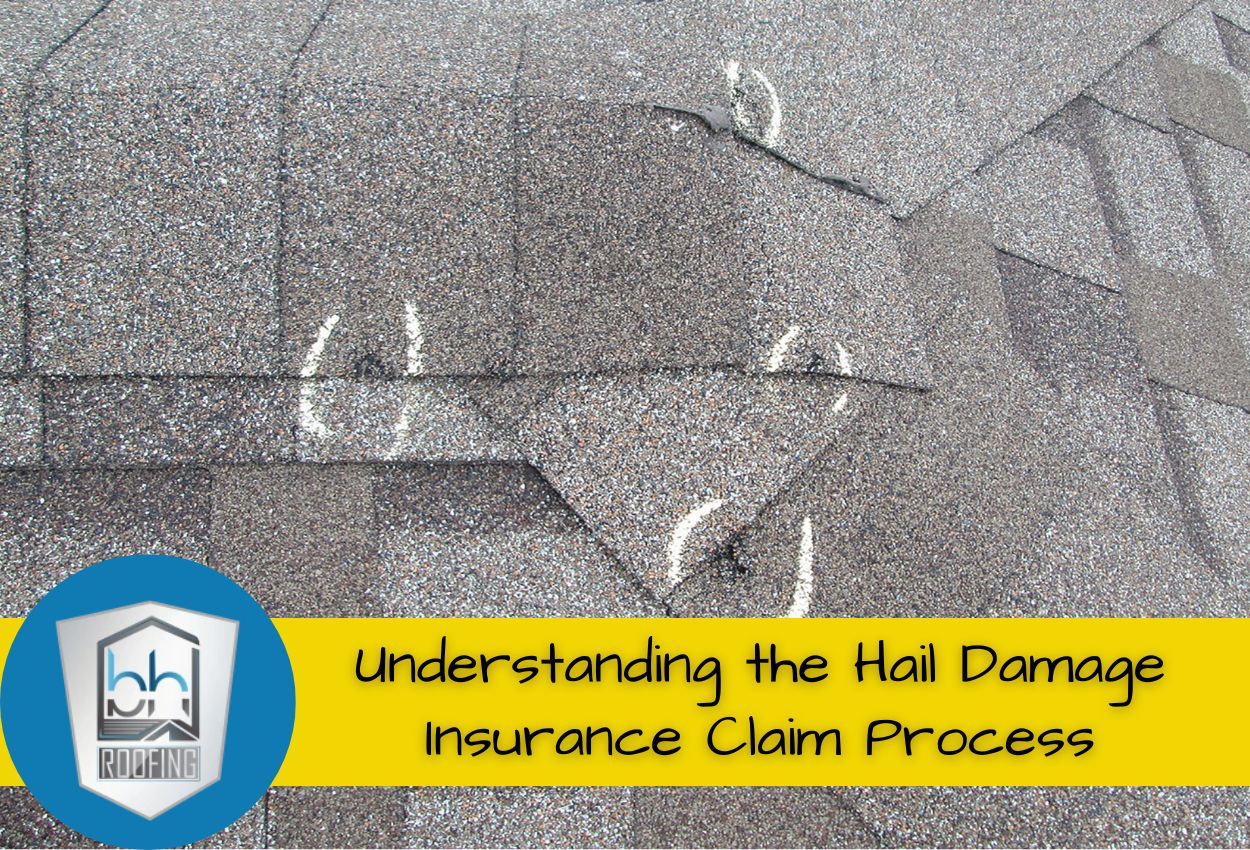
About one inch, the size of a quarter. At that diameter, hail starts knocking granules loose and bruising the asphalt mat underneath, which is functional damage even when nothing looks torn. At an inch and a half, golf-ball size, hail cracks shingles outright and insurers often treat widespread hits as a total loss. Both sizes fall on this area regularly: our community took golf-ball hail in May 2025, and storms west of the city dropped softball-sized stones this March.
On inspections, we check the soft metals first: gutters, vents, and flashing dent at smaller hail sizes than shingles crack. If the soft metal is peppered, the shingles took hits too, whether or not you can see them from the ground. That’s the field shortcut, and it’s also why a documented inspection beats a driveway glance. Our 27-point inspection photographs every slope so the evidence exists before the weather changes.
How much does hail damage roof repair cost?
Hail damage repairs average about $4,250, and the full range is wide because hail damage is either cosmetic, localized, or roof-wide. Spot repairs on a lightly hit roof can stay in the hundreds. A roof with widespread bruising needs replacement, which runs $8,000 to $22,000 for a typical home with architectural shingles.
| Scenario | Typical cost |
|---|---|
| Spot repair, few damaged shingles | $200 to $800 |
| Localized hail repair (one slope, flashing, vents) | $1,000 to $4,000 |
| Average hail damage repair | ~$4,250 |
| Full replacement, architectural shingles | $8,000 to $22,000 |
| Your share with a 1-2% wind/hail deductible ($400k home) | $4,000 to $8,000 |
That last row surprises people. Most Texas policies now carry a separate wind and hail deductible of 1 to 2% of the dwelling’s insured value, so on a $400,000 home you cover the first $4,000 to $8,000 yourself. It changes the math: minor hail damage often isn’t worth claiming, while a totaled roof absolutely is. We walk through that math with you before anyone touches paperwork.
Will insurance cover hail damage in Texas?
Yes, if the damage is functional rather than cosmetic, and if you handle the clock correctly. Most policies require claims within one year of the storm, and hail damage that sits undocumented gets harder to attribute with every passing month. Once you file, Texas law requires your insurer to acknowledge the claim within 15 days and decide coverage within 15 business days of having what it needs.
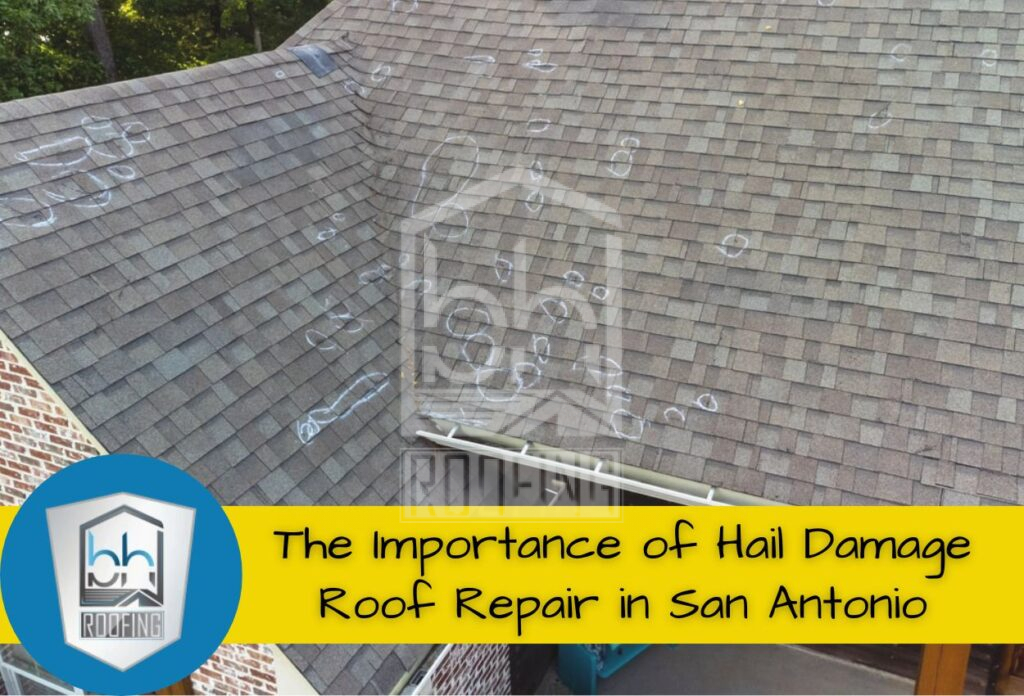
Documentation decides these claims. Dated photos from right after the storm, an inspection report identifying hail strikes by slope, and a contractor present at the adjuster meeting are the difference between approved and disputed. That’s the entire point of thorough claim documentation: we photograph every slope and put the damage in writing, so what the hail actually hit is on record instead of left to what was visible from the ladder.
What should you do right after a hailstorm?
Three things, in order. First, note the date and take photos from the ground: dented gutters, pounded AC fins, granules piled at downspouts. Don’t climb the roof; wet shingles after a storm are how homeowners get hurt. Second, if water is coming in, get it stopped with emergency tarping the same day so a repairable roof doesn’t become an interior claim. Third, book a documented inspection within the week, while the evidence is fresh.
The thing NOT to do is sign with whoever knocks first. Hail brings storm chasers to this area within hours, and offers to “waive your deductible” are illegal in Texas, not a favor. A legitimate local contractor gives you a written inspection report and doesn’t need a signature on the spot. Our guide to avoiding roofing scams after a storm covers the red flags in detail.
When does hail damage mean full replacement?
It comes down to hit density and what the hail did to the mat. Scattered strikes on one slope get repaired. Widespread bruising across multiple slopes means the shingle field is compromised even where it looks intact, and patching it leaves hundreds of future failure points. That’s when insurers total the roof, especially after golf-ball hail or larger.
If you land in the middle, get the repair-versus-replace call from someone who documents their reasoning. Age matters too: hail that’s marginal on a 5-year-old roof is usually decisive on an 18-year-old one, since the shingles were already brittle. An honest assessment sometimes means telling you the damage is cosmetic and not worth your deductible. We make that call too, in writing.
Get the roof documented before the next storm muddies the evidence
Hail claims are won in the first two weeks and lost over the following year. If your neighborhood took hail recently, or you never had the roof checked after last year’s storms, get the documentation done now while cause and damage still line up cleanly.
BH Roofing is a GAF Master Elite® contractor serving greater San Antonio, with photo-documented inspections, detailed claim documentation, and a 24-hour response for active leaks. Schedule your free hail damage inspection or call (210) 267-9029.