TL;DR
Prepping your roof before a San Antonio storm comes down to a few things: fix loose or missing shingles, reseal flashing around vents and chimneys, clear the gutters so water can leave fast, and trim any branches hanging over the roof. Do a real inspection before spring hail season, not during the first warning. If your roof is already worn, impact-resistant shingles and a professional once-over are the two upgrades that pay off most.
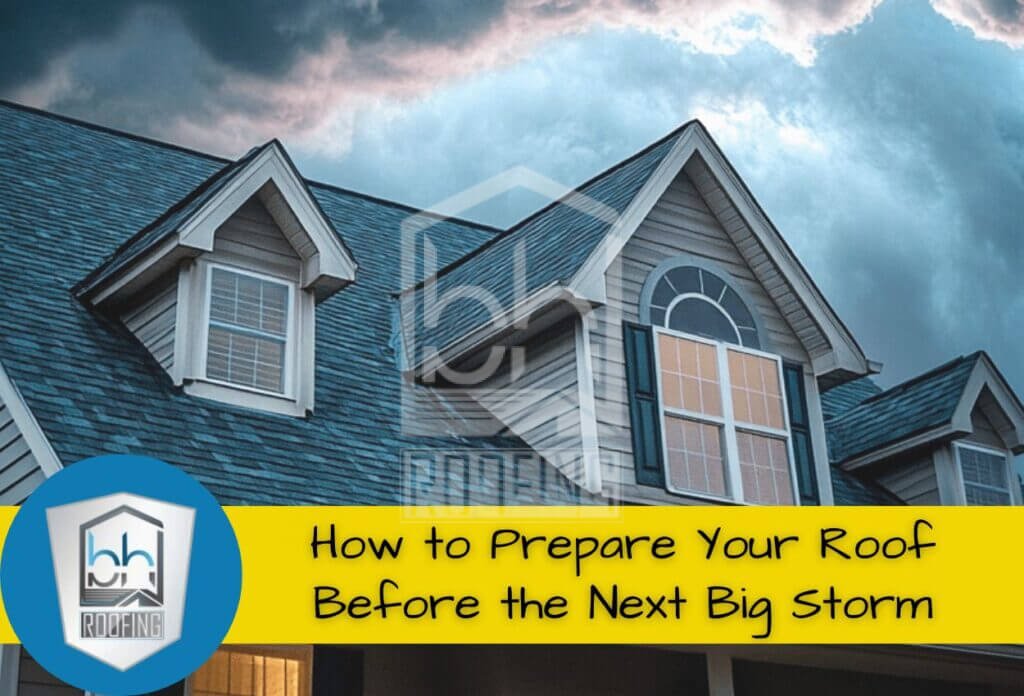
Getting your roof ready for a storm isn’t complicated, and it’s a lot cheaper than the repair you’re trying to avoid. The short version: fix the loose stuff, clear the gutters, trim the trees, and know where your roof is weak before the wind finds out for you. In San Antonio that work should happen before spring, when our hail and high-wind season lines up with the heaviest tree drop of the year. Here’s the checklist we run, what to hand to a pro, and the two upgrades worth the money.
How do you prepare your roof for a storm?
Handle four things before the weather turns: fix loose or missing shingles, reseal the flashing around vents, chimneys, and skylights, clear the gutters and downspouts so water leaves fast, and cut back branches hanging over the roof. That covers most of what fails in a storm. The rest is knowing where your roof is already weak, which is what an inspection is for.
None of this is exotic. On pre-storm visits, the problems we flag most are the boring ones: a lifted shingle at a corner, cracked sealant at a pipe boot, a valley half-packed with leaves. Small stuff, until wind-driven rain turns each one into an entry point.
| Before-storm task | Why it matters | You or a pro |
|---|---|---|
| Fix loose or missing shingles | Wind lifts the loose ones first and peels from there | Pro if it’s more than one or two |
| Reseal flashing at vents, chimneys, skylights | Penetrations are the top leak points in a storm | Pro |
| Clear gutters and downspouts | Clogged runs back water up under the shingles | You, twice a year |
| Trim overhanging branches | Limbs become battering rams in high wind | Arborist for big limbs |
| Secure loose yard objects | Furniture and rock become projectiles | You, before each storm |
What roof problems should you fix before storm season?
The ones that turn a normal storm into an interior leak: lifted or missing shingles, cracked or loose flashing, worn pipe boots, and clogged gutters. Any spot where water already has a path will only get worse under wind-driven rain. Fixing them is routine maintenance now and an insurance headache later.
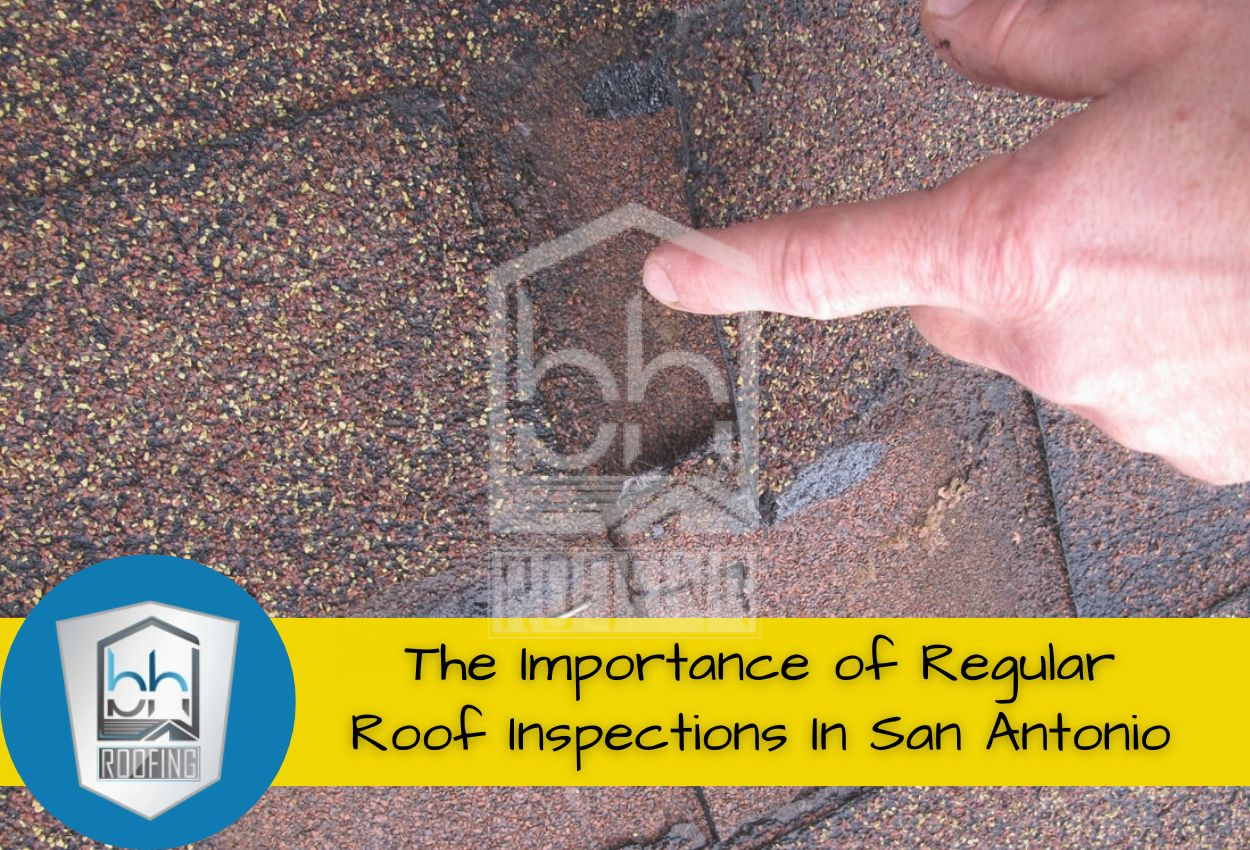
The single most useful move is a real inspection before the season starts. Our free 27-point roof inspection is built to catch exactly these weak points, the granule loss, the tired flashing, the seams that won’t take another season, while there’s still time to fix them on your schedule instead of during an emergency.
Do impact-resistant shingles actually help in San Antonio?
Yes, and this is the upgrade with the clearest payback here. Class 4 impact-resistant shingles are built to take hail that cracks standard shingles, and metal roofs shrug off wind that lifts them. In Texas it’s not just durability: the state’s insurers offer a premium discount for impact-resistant roofs, and the Texas Department of Insurance lists the products that qualify.
If your roof is near the end anyway, this is the time to weigh it. Class 4 asphalt shingles or a metal roof both outlast standard shingles by years and take the sting out of our hail season. It’s a bigger decision than a repair, so it belongs in a planned replacement, not a panic the week a storm’s coming.
How do you reinforce a roof against high wind?
At the connections. Hurricane straps or clips tie the roof structure to the walls far better than nails alone, and sealing every penetration keeps wind-driven rain from finding the gaps. There’s also a cheap attic trick worth knowing: a bead of construction adhesive where each rafter meets the roof deck, which the pros in this storm checklist note can sharply raise a roof’s wind resistance.
Most of this is pro work, and most of it can be added to an existing roof without a full replacement. If you’re already planning a re-roof, it’s the cheapest time to build the wind reinforcement in.
What about trees and yard hazards?
Trim anything hanging over the roof and clear out the dead wood before the season. Branches over the roofline should come back several feet, and dead or leaning trees near the house should get looked at by an arborist. In a hard San Antonio wind, an overhanging limb is the difference between a scare and a hole in your decking.
The yard matters too. Patio furniture, planters, and even decorative landscape rock turn into projectiles in high wind. Clearing loose objects before a storm is five minutes of work that saves a windshield, a window, or a roof.
What should a storm-ready kit include?
Enough to protect the house until a pro can get there safely. A heavy-duty tarp (6-mil or better), some 2-by-4s to anchor it, roofing nails or screws with washers, a utility knife, and a few spare shingles cover most emergencies. The goal is a temporary dry-in, not a repair.
That’s the prep side. What to actually do in the hours after a storm hits, tarping safely, documenting damage with photos, and avoiding the storm-chaser crews, is its own job, and our guide on the first 24 hours after roof damage walks through it.
Get a pre-storm inspection before the season starts
The best storm prep is knowing your roof’s condition before the sky turns, not after. Fix the loose shingles and flashing, clear the gutters, trim the trees, and if your roof’s already worn, weigh impact-resistant materials while you have time to plan. Do it before spring and you’re set for the season instead of scrambling during it.
BH Roofing is a GAF Master Elite roofer serving greater San Antonio, and every job starts with a free 27-point roof inspection so you know exactly where your roof stands before the next storm. Schedule your free inspection or call (210) 267-9029.