Roof Replacement Communication: What to Expect

Updated
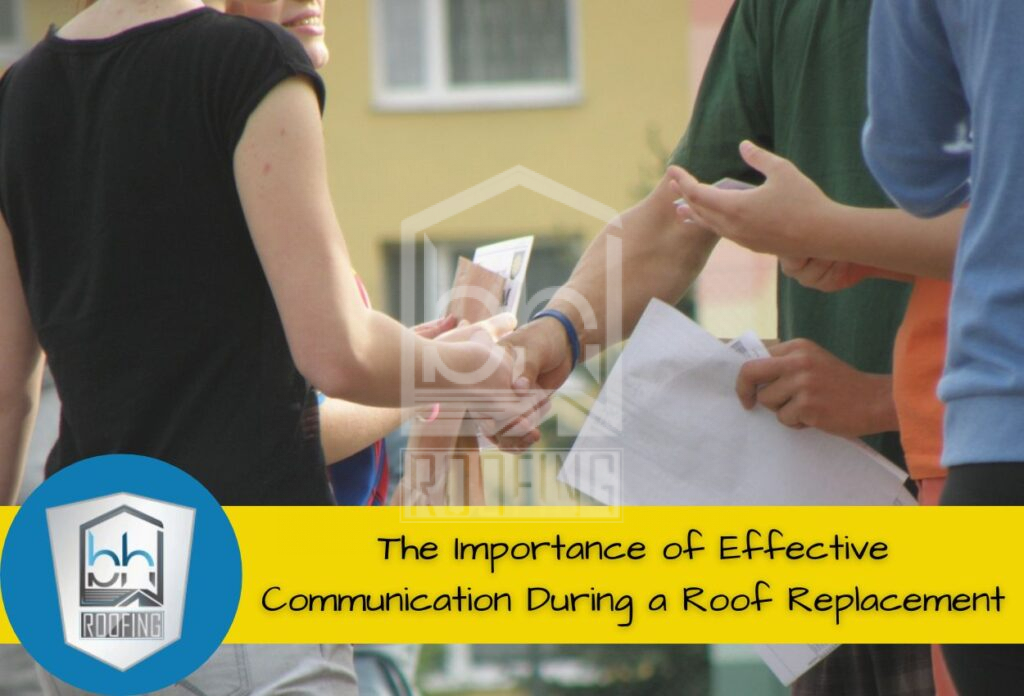
The Importance of Effective Communication During a Roof Replacement

TL;DR

Good roof replacement communication means you always know when the crew arrives, what they’re doing, what materials are going on, and how any change or delay is handled, with one clear point of contact. Poor communication, not poor roofing, causes most re-roof complaints. Before the job, get the timeline, materials, and change protocol in writing. During it, expect prompt updates. Slow responses, vague answers, and invoice surprises are the warning signs.

Reading Time 4 minutes

Good roof replacement communication means you always know four things: when the crew arrives, what they’re doing that day, what materials are going on, and how any change or delay will be handled. A contractor who sets that up front, with one clear point of contact, is the one who runs a smooth job. Poor communication, not poor roofing, is behind most homeowner complaints on a re-roof.

Here’s what a roofer should tell you before the job, the updates to expect during it, how changes should be handled, and the warning signs of a contractor who goes quiet.

What should a roofer tell you before the job starts?

The timeline, the materials, the crew, the cost, and the plan for weather or surprises. Before a single shingle comes off, you should have start and end dates, daily hours, the exact materials, and a written scope. Getting these answered up front is what prevents the misunderstandings that derail a project midway.

Ask before the jobWhy it matters
Start and completion datesLets you plan and spot an unrealistic timeline
Daily start and end timesYou know when crews are on your property
Exact materials and warrantyConfirms what you’re paying for and its coverage
Who your point of contact isOne person to call avoids the runaround
How delays and changes are handledSets the protocol before weather or surprises hit

These overlap with vetting the contractor itself, so our list of questions to ask a roofing contractor pairs well with this conversation. The answers, and how directly they’re given, tell you a lot before work begins.

What updates should you get during a roof replacement?

A heads-up before each day’s crew arrives, a quick progress update, and immediate notice if anything changes. You don’t need a phone call every hour, but you should never be guessing whether anyone’s coming today. A short daily check-in and a clear way to reach your contact is the baseline for a well-run job.

Weather and permits are the usual reasons a schedule moves, and both are normal. What matters is that you hear about it promptly with a new plan, not that you notice the crew didn’t show. On roof replacement jobs, the difference between a calm project and a stressful one is almost always how quickly the homeowner gets the update.

How should a contractor handle changes and delays?

With prompt notice, a written change order, and a clear reason. If the tear-off reveals rotted decking, that’s a real change, and a good contractor stops, shows you, explains the cost, and gets your sign-off before proceeding. Surprise line items on the final invoice are the sign that communication broke down somewhere.

Weather delays get the same treatment: a quick message and a rescheduled date, not silence. A respectful, professional back-and-forth resolves nearly every mid-project issue. As This Old House notes on hiring a contractor, everything in writing is what protects both sides when the plan shifts.

What are the signs of poor contractor communication?

Slow or no responses, vague answers, no single point of contact, and surprises on the invoice. If a contractor is hard to reach during the sale, they’ll be harder to reach once the deposit clears. Watch for dodged questions about timeline or materials, since evasiveness before the job predicts headaches during it.

These overlap with the broader red flags of a dishonest roofer, which our guide on how to tell if a roofer is lying covers. The Better Business Bureau’s roofing tips echo the same point: get it in writing and keep the communication open. Trust how a contractor communicates before you sign, not after.

The bottom line on roof replacement communication

Clear communication, a firm timeline, daily updates, written changes, and one point of contact, is what separates a smooth re-roof from a stressful one. Set the expectations before the job, expect prompt updates during it, and treat evasiveness as the warning sign it is. The roofing is craftsmanship; the communication is what makes the experience good.

The right contractor tells you exactly what to expect and then does it. Book a free inspection and you’ll get photos, a written report, a clear scope, and a single point of contact from start to finish. Bring your questions and we’ll answer them straight.

Schedule Your Free Inspection or call (210) 267-9029.

Bobby Hernandez, Master Roofer

Bobby Hernandez is the owner of BH Roofing, a family-run roofing company based in San Antonio. With a strong commitment to quality and customer care, Bobby leads his team in delivering reliable residential and commercial roofing services, including storm restoration. Backed by an A+ BBB rating and consistent 5-star reviews, he takes pride in providing honest assessments, transparent pricing, and expert craftsmanship to keep homes and businesses protected.
5.0 Stars - Based on 471 User Reviews

Frequently Asked Questions

Got questions about your roof? We’ve got answers. From maintenance tips to insurance claims and repair timelines, our FAQ section covers the most common concerns homeowners have. Get informed and make confident decisions about protecting your home.

What should good roof replacement communication look like?

You should always know when the crew arrives, what they’re doing that day, what materials are being installed, and how changes or delays will be handled, with one clear point of contact. Expectations get set in writing before the job, and updates come promptly during it. That clarity is what makes a re-roof feel smooth.

What should I ask my roofer before a roof replacement?

Ask for start and completion dates, daily start and end times, the exact materials and warranty, who your point of contact is, and how delays and changes are handled. Getting these in writing up front prevents most mid-project misunderstandings. How directly a contractor answers also tells you a lot about them.

How often should a roofer update me during the job?

Enough that you’re never guessing whether anyone is coming. A heads-up before each day’s crew arrives, a brief progress update, and immediate notice of any change is the baseline. You don’t need hourly calls, but you should have a clear way to reach your point of contact throughout.

What happens if the weather delays my roof replacement?

Weather delays are normal; what matters is prompt notice and a new date. A good contractor messages you quickly and reschedules rather than leaving you to notice the crew didn’t show. Permits can shift a schedule too. Silence about a delay, not the delay itself, is the real problem.

What is a change order in roofing?

A change order is a written update to the scope and price when something changes mid-job, like rotted decking found during tear-off. A good contractor stops, shows you the issue, explains the added cost, and gets your sign-off before proceeding. It’s what keeps surprise charges off the final invoice.

What are signs of poor contractor communication?

Slow or no responses, vague answers about timeline or materials, no single point of contact, and surprise line items on the invoice. If a contractor is hard to reach during the sale, they’re usually harder to reach after the deposit. Evasiveness before the job predicts problems during it.

Who should be my point of contact during a roof replacement?

One designated person, usually a project manager or the owner, whom you can reach with questions throughout the job. A single point of contact avoids the runaround of being passed between the office and the crew. Confirm who that is and how to reach them before work begins.

Should roofing changes be in writing?

Yes, always. Any change to the scope, materials, timeline, or price should be documented in a written change order you approve before the work proceeds. Verbal agreements are where disputes start. Everything in writing protects both you and the contractor if the plan shifts, which on a roof it sometimes does.

How do I avoid misunderstandings during a roof replacement?

Set clear expectations in writing before the job, confirm your point of contact, and agree on how updates and changes will be handled. Ask questions early and get recaps of anything technical. Most roofing disputes trace to communication that was never established up front, not to the roofing work itself.

Why does communication matter as much as the roofing work?

Because a technically good roof installed with poor communication still leaves a homeowner stressed, surprised by charges, and unsure what’s happening. Clear, prompt communication is what turns a major disruptive project into a manageable one. It also signals a contractor who is organized and accountable, which usually shows in the work too.

Protect Your Home with Expert Roofing

Don’t wait for leaks or storm damage to cause costly repairs. Our experienced roofing team provides fast, reliable service, high-quality materials, and lasting results. Ensure your home stays safe, secure, and looking great—contact us today for a free estimate.

Google 5 star rating Facebook 5 star rating

BH Roofing | Roofing Company in San Antonio, TX uses Accessibility Checker to monitor our website's accessibility.