TL;DR
The signs of roof sun damage are cracked, curling, or brittle shingles, faded color, bald spots where granules have worn off, and dried-out sealant, plus a chalky or blistered membrane on a flat roof. San Antonio’s high UV, extreme heat, and long exposure make roofs age years faster than average, and south- and west-facing slopes show it first. Caught early it’s a repair; left too long it becomes a replacement and eventually a leak. Reflective materials, attic ventilation, and yearly inspections slow the damage.
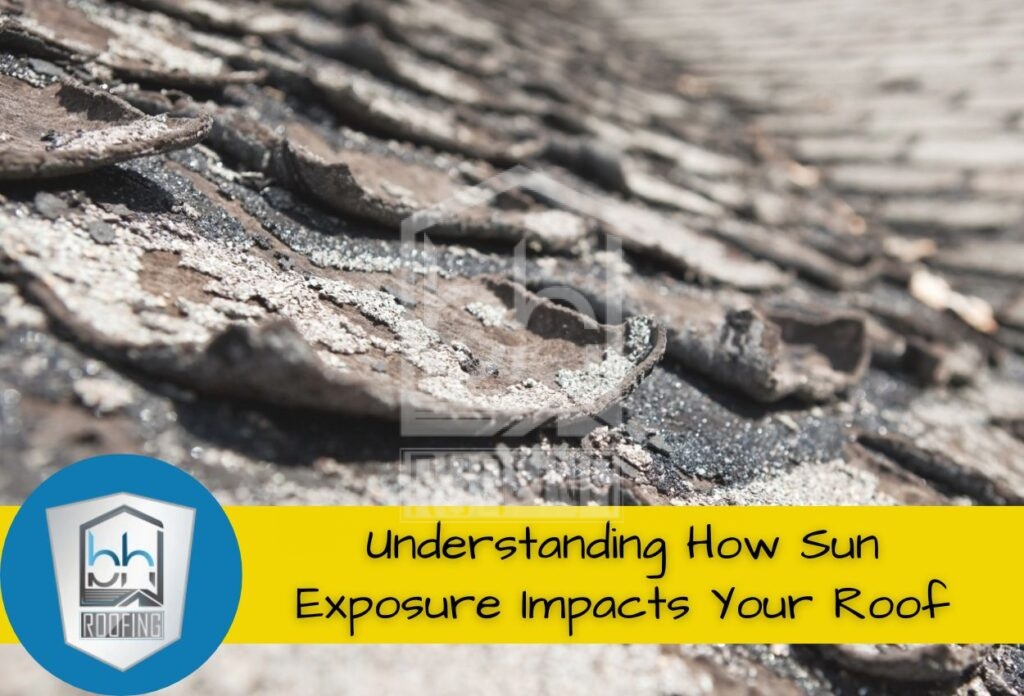
The clearest signs of roof sun damage are cracked, curling, or brittle shingles, faded color, bald spots where the protective granules have worn off, and dried-out, cracking sealant around flashing and vents. On a flat roof, sun damage shows as a chalky, blistered, or brittle membrane. In San Antonio’s intense UV and heat, these show up years earlier than the brochure lifespan suggests.
Here’s what each sign looks like, why our sun is so hard on a roof, and what to do when you spot the wear before it turns into a leak.
What are the signs of roof sun damage?
Sun and UV break a roof down from the surface in, so the signs are all about the top layer drying out and losing protection. Catching them early matters, because a sun-baked roof gets brittle and starts to leak once the surface gives up. Here’s what to look for.
| Sign | What it looks like |
|---|---|
| Cracking and curling | Shingle edges lift, corners curl, surface cracks |
| Faded color | Uneven fading, especially on sun-facing slopes |
| Granule loss | Bald patches; granules collecting in gutters |
| Brittle, dry shingles | Shingles crack instead of flex when touched |
| Dried-out sealant | Cracked caulk at flashing, vents, and penetrations |
| Blistered flat-roof membrane | Chalky, bubbled, or brittle low-slope surface |
Granule loss is the one homeowners miss most, since it happens gradually and shows up as grit in the gutters. Our roof inspection catches these surface signs before they become an entry point for water.
Why is San Antonio sun so hard on a roof?
Because it’s a triple hit: high UV, extreme heat, and long exposure. Our summers run past 100 degrees for stretches, the UV index stays high most of the year, and a roof bakes for far more days than in a mild climate. That combination cooks the flexibility out of asphalt and dries the oils that keep shingles pliable, which is why local roofs age faster.
South- and west-facing slopes take the worst of it, so they usually show damage first. The heat also drives repeated expansion and contraction that cracks brittle materials. Choosing a roof built for this matters, and our guide on the best roof color for Texas heat covers how reflectivity slows sun damage.
What should you do about roof sun damage?
If it’s early, the fix can be as small as resealing flashing or replacing a few brittle shingles. If the granules are widely gone or the shingles crack when flexed, the roof is near the end of its sun-shortened life and replacement is the honest answer. The only way to know which is an inspection, since sun damage is often worse than it looks from the ground.
Don’t wait for a leak to act, because by the time sun-damaged shingles let water in, the underlayment and decking may already be affected. A documented look tells you whether you’re buying years with a repair or planning a replacement. If it’s a repair, our roof repair team handles the brittle spots and worn sealant.
How do you prevent roof sun damage?
You can’t stop the sun, but you can slow its toll with reflective materials, good attic ventilation, and regular maintenance. Reflective or lighter roofing sheds heat instead of soaking it, which extends the roof’s life and lowers cooling bills. The Environmental Protection Agency’s Energy Star roof products program is a good starting point for cool-roof options.
Ventilation matters as much as the surface, since a superheated attic bakes the roof from below too. Metal and quality architectural shingles hold up better than budget materials in this climate. Whatever you have, yearly inspections catch sun wear while it’s still a repair, not a replacement, which is the cheapest way to fight the sun.
The bottom line on roof sun damage
Watch for cracking, curling, fading, granule loss, brittleness, and dried-out sealant, the signs the sun is winning. San Antonio’s UV and heat make roofs age years faster than average, and south- and west-facing slopes show it first. Caught early it’s a repair; left too long it becomes a replacement and, eventually, a leak.
The surest way to know where your roof stands is a look from someone who does this daily. Book a free roof inspection and you’ll get photos, a written report, and an honest repair-or-replace call. Bring any concerns and we’ll show you exactly what the sun has done.
Schedule Your Free Inspection or call (210) 267-9029.