TL;DR
Keeping a skylight leak-free is mostly a once-a-year routine: clean the glass inside and out, check the flashing and sealant, clear debris and the weep holes around it, and watch for condensation between the panes. Most skylights last about 15 to 20 years, so plan to replace when you see cracked glass, staining around the frame, fog that won’t clear, or a leak on a unit near that age. Maintaining the seals is what buys the extra years; ignoring them is what turns a skylight into a ceiling leak.
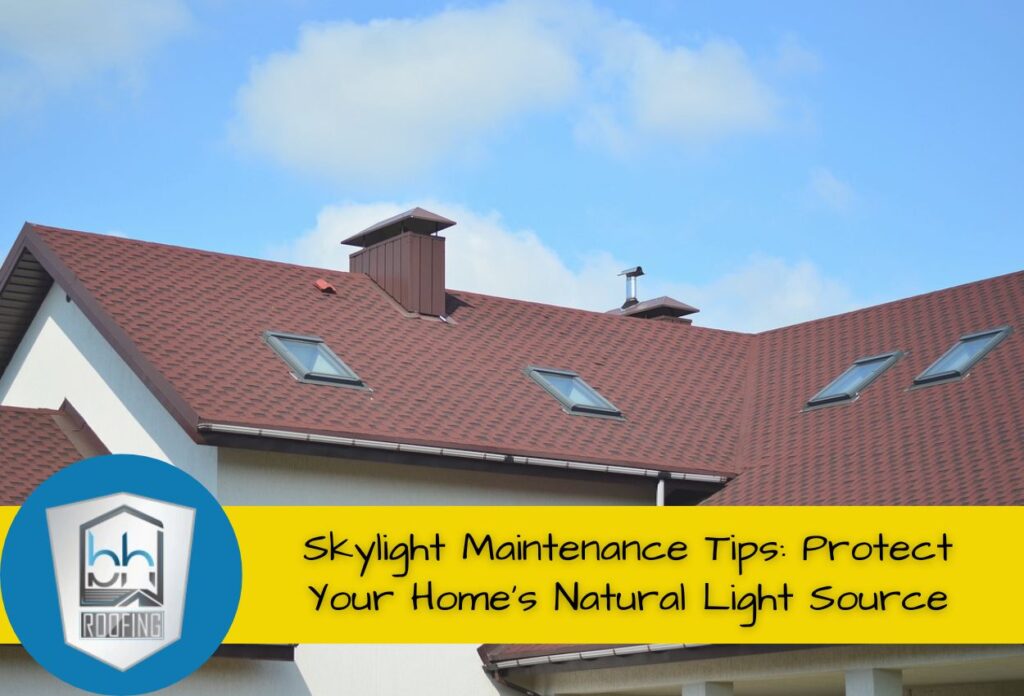
A skylight is a window in your roof, and like anything on the roof, it lasts a lot longer when you stay ahead of it. The good news is the upkeep is simple and mostly yearly. The other half of the job is knowing when a skylight is past maintenance and it’s smarter to replace it than keep patching. Here’s the routine that keeps a skylight dry, how long you can expect one to last in San Antonio, and the signs it’s time for a new one.
How do you maintain a skylight?
Keep it clean and keep the seals sound. Once a year, wash the glass inside and out, check the flashing and sealant for cracks or lifting, clear leaves and debris from around the curb and the weep holes, and look for condensation between the panes or staining on the ceiling below. That short list prevents almost every skylight leak, because the failures all start at the seal or the drainage around it.
| Task | How often | Why it matters |
|---|---|---|
| Clean the glass, inside and out | Once a year, after oak-pollen season | Keeps light in and lets you spot cracks or fog early |
| Check the flashing and sealant | Yearly and after storms | Seals are the top skylight leak point |
| Clear debris around the curb and weep holes | Twice a year | Trapped debris holds water against the skylight |
| Watch for condensation between panes or ceiling stains | Ongoing | Early warning of a failing seal or a leak |
| Professional inspection | Once a year | Catches hairline cracks and flashing lift you can’t see |
For the cleaning itself, use mild dish soap and water with a soft sponge, skip ammonia and harsh chemicals that can damage coatings, and squeegee to avoid streaks. Reach the outside with an extendable tool rather than climbing onto the roof.
How long do skylights last?
Most skylights last about 15 to 20 years, though the range runs from 10 to 30 years depending on the unit’s quality, the install, and how well it’s maintained. Climate is the other big factor, and San Antonio’s is hard on them: constant heat and UV age the seals, temperature swings work the flashing, and the occasional hailstorm does in a season what years of gentle weather wouldn’t.
The payoff for upkeep is real. A skylight that gets its yearly clean-and-check tends to last years longer than one that’s ignored, because the seals and flashing, the parts that actually fail, stay in good shape instead of drying out and cracking unnoticed.
When should you replace a skylight instead of repairing it?
Replace it when the problem is the unit itself, not just the seal. The clear signs are cracked or fogged glass, condensation trapped between the panes that won’t clear, staining or warping around the frame, and leaks that keep coming back after repairs. Age matters too: once a skylight is past about 15 to 20 years, a new leak is usually the moment to replace rather than keep patching an aging unit.
There’s a cost logic to it. Resealing or reflashing a sound skylight is a modest repair, but pouring repairs into a unit near the end of its life rarely pays off, and a modern replacement seals better and, with low-E and impact-rated glass, handles our heat and hail far better. This Old House has a good walk-through of replacing a leaky skylight if you want to see what’s involved. If you’re already re-roofing, that’s the cheapest time to replace an old skylight.
What shortens a skylight’s life in San Antonio?
Our climate, mostly, aimed right at the weak points. The heat and UV bake the sealant and gaskets until they shrink and crack, the daily temperature swing flexes the flashing joint, and hail can crack glass or break the seal in one storm. Oak pollen adds a yearly film that isn’t damaging but hides early problems if you don’t clean it off.
None of that is a reason to avoid skylights, it’s a reason to keep up with them. The homeowners who get the full 20 years are the ones who clean and inspect on a rhythm and fix a tired seal before it becomes a leak, which is the same idea behind our guide on whether skylights make a house hot: the right unit, well maintained, is an asset, not a liability.
What can you do yourself, and what needs a pro?
Handle the low-risk work from the ground and inside. Cleaning the glass, clearing debris with an extension tool, checking weep holes, and eyeballing the interior frame for condensation or drafts are all safe DIY tasks. What needs a professional is anything on the roof surface: reflashing, resealing the curb, structural checks, and getting onto a steep or wet roof to inspect. After any hailstorm, that inspection is a pro job, our guide on hail-damaged skylights covers why the worst damage hides where you can’t see it.
The dividing line is safety and the seal. If it means climbing a ladder onto the roof or working on the flashing, it’s worth a pro, both for the result and so you’re not on a wet roof chasing a problem a scheduled visit would close out.
Is a skylight inspection worth it?
For most homes, yes, and it’s cheap insurance. A professional skylight or roof inspection catches the hairline cracks, lifting flashing, and early seal failure that you can’t see from below, before they turn into an interior leak. Many roofers, including BH, fold the skylight check into the roof inspection, so it doesn’t have to be a separate call or cost.
Bundling it makes the most sense here. The roof and the skylight age in the same sun and take the same storms, so checking them together, on the same yearly rhythm, is how you catch a tired skylight seal while it’s still a simple reseal instead of a drywall repair.
Keep your skylight in shape, and know when to replace it
The short version: clean it once a year, keep the seals and flashing sound, watch for condensation and stains, and plan on replacing around the 15-to-20-year mark or at the first real leak on an older unit. Do that and a skylight is a low-maintenance asset that lasts two decades; skip it and it becomes the leak that finds your ceiling.
BH Roofing serves greater San Antonio, and our free 27-point roof inspection includes the skylight, its flashing, seals, and the roof around it. Learn more about our skylight services, or schedule your inspection or call (210) 267-9029.