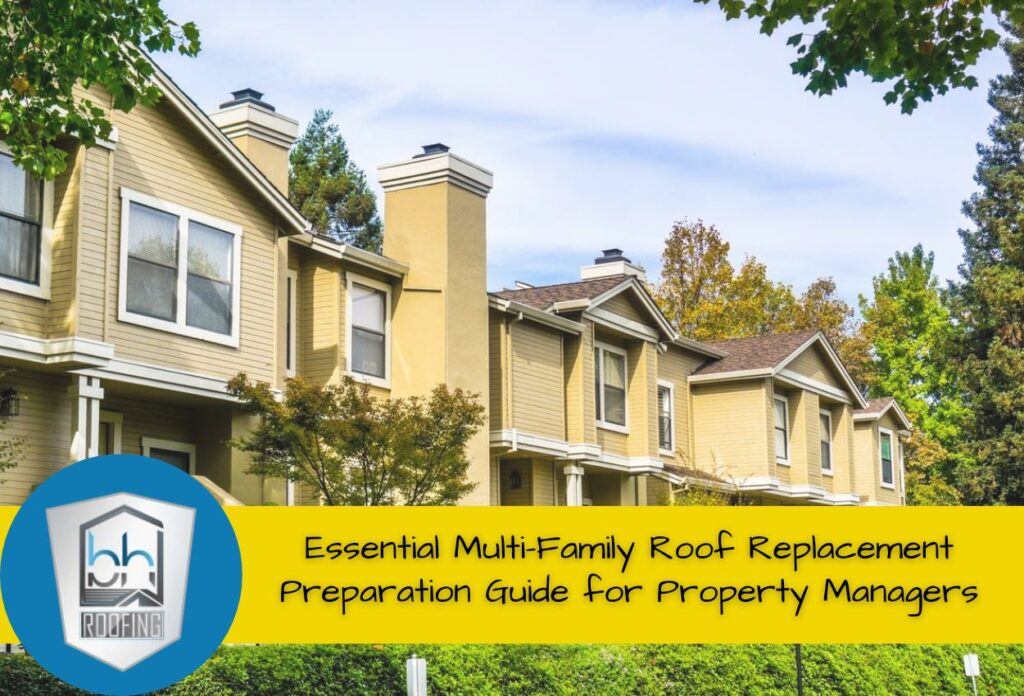
Multi-family roof replacement projects have unique challenges that property managers rarely encounter with single-family homes. Managing apartment complex roof replacement requires careful coordination between contractors, tenants, and building operations while maintaining safety standards and minimizing disruptions to daily life.
The complexity of multi-family roofing project planning extends beyond simple material selection and installation. Property managers must navigate tenant notification requirements, coordinate access schedules, and ensure commercial roofing contractor selection meets the specialized demands of large-scale residential buildings. Unlike single-family projects, multi-family properties require detailed logistical planning to address material delivery, debris removal, and worker access while protecting tenant privacy and property security.
A roof inspection and assessment for a multi-family home determines the size of the project, what’s needed, and it can help establish realistic timelines that accommodate both construction requirements and tenant schedules. Property managers who skip thorough preparation often face project delays, budget overruns, and tenant complaints that could have been avoided.
Proper tenant notification for roof work becomes important when managing occupied buildings. Clear communication about project timelines, safety protocols, and temporary inconveniences helps maintain positive tenant relationships throughout the construction process. Preparation transforms potentially disruptive roof replacement projects into smoothly executed improvements that enhance property value and tenant satisfaction.
Comprehensive Roof Assessment and Documentation Process
Professional roofing contractors must evaluate every aspect of the existing roof system to identify damage patterns, structural weaknesses, and areas requiring immediate attention. This approach can reveal hidden problems that could complicate apartment complex roof replacement if left unaddressed during the planning phase.
Detailed documentation during multi-family building roof inspection creates an accurate record of current conditions. Contractors photograph damaged areas, measure affected sections, and document structural concerns that impact project scope. This assessment helps property managers understand the full extent of work required and can give a fairly accurate timeline for the replacement process.
Proper commercial roofing contractor selection depends heavily on their ability to conduct thorough assessments and provide detailed condition reports. Experienced contractors identify drainage issues, membrane deterioration, and structural problems that inexperienced teams might overlook. These findings directly influence material specifications, labor requirements, and project duration estimates.
The documentation process also supports tenant notification for roof work by providing specific information about affected areas and anticipated timelines. Property managers can reference detailed inspection reports when explaining project phases to residents and building staff. Assessment and documentation ultimately streamline the entire replacement process while reducing unexpected complications that could extend project timelines or increase costs.
Project Planning and Timeline Development
Effective multi-family roofing project planning requires establishing realistic phases that account for San Antonio’s unique weather patterns and seasonal conditions. The region’s intense summer heat and occasional severe weather significantly impact project scheduling and material performance. Smart contractors schedule complex apartment complex roof replacement during optimal weather windows to ensure proper installation and minimize weather-related delays.
Material availability plays an important role in timeline development for large-scale projects. Multi-family buildings require substantial quantities of roofing materials that must be ordered well in advance to prevent project delays. Commercial roofing contractor selection should prioritize companies with established supplier relationships and proven ability to coordinate material deliveries for complex residential projects.
Building-specific requirements add another layer of complexity to project planning. Each multi-family property presents unique challenges related to access points, structural considerations, and existing infrastructure that influence work schedules. Professional contractors conduct detailed site evaluations to identify potential obstacles and develop realistic timelines that accommodate these specific conditions.
Coordinating with building operations ensures essential services remain functional throughout the replacement process. HVAC systems, electrical utilities, and emergency access routes require careful protection and temporary modifications during construction phases. Strategic tenant notification for roof work includes detailed explanations of service interruptions and alternative arrangements. Proper coordination between contractors and property management teams maintains building functionality while protecting resident safety and comfort during multi-family building roof inspection and replacement activities.
Tenant Communication and Notification Strategies
Effective communication planning begins weeks before multi-family roofing project planning commences. Property managers must develop comprehensive notification systems that inform residents about construction schedules, safety requirements, and temporary disruptions well in advance. Early communication allows tenants to adjust their daily routines and make necessary arrangements for noise-sensitive activities or vulnerable household members.
Clear documentation of project phases helps residents understand the replacement timeline and prepare accordingly. Written notices should include specific dates for each building section, anticipated noise levels, and safety protocols that residents must follow. This detailed approach reduces confusion and demonstrates professional management during the construction process.
Establishing multiple communication channels ensures all residents receive important updates throughout the project. Email notifications, posted notices in common areas, and direct door-to-door communication reach tenants through various preferred methods. Regular updates about progress, schedule changes, and safety reminders maintain positive relationships during potentially disruptive construction activities.
Designated contact persons for tenant concerns streamline communication between residents and project management teams. Commercial roofing contractor selection should include companies that provide dedicated customer service representatives for tenant questions and complaints. Prompt responses to resident concerns demonstrate commitment to their comfort and safety during multi-family building roof inspection and replacement phases. Effective tenant notification for roof work includes establishing clear protocols for addressing emergencies, reporting safety hazards, and resolving construction-related issues that may affect daily living conditions.
Logistical Coordination and Site Preparation
Effective site preparation requires coordinating multiple logistical elements that maintain safe building access while supporting efficient construction operations. Material delivery schedules must align with apartment complex roof replacement phases to prevent excessive staging that blocks emergency routes or tenant parking areas. Strategic placement of equipment and supplies minimizes disruptions to daily building operations while ensuring contractors have convenient access to necessary tools and materials.
Establishing designated delivery zones helps manage the flow of trucks and heavy equipment around multi-family properties. These areas should provide adequate space for unloading while maintaining clear pathways for residents, emergency vehicles, and essential service providers. Commercial roofing contractor selection should prioritize companies that demonstrate experience managing complex delivery schedules and understanding local traffic patterns that could impact material transportation.
Debris removal systems require careful planning to handle large volumes of old roofing materials without creating safety hazards or blocking building access. Strategically positioned dumpsters and debris chutes are efficient for removal while protecting landscaping and pedestrian walkways. Regular removal schedules prevent the accumulation of materials that could create fire hazards or obstruct emergency access routes.
Security measures become essential during multi-family roofing project planning to protect tenant privacy and property while ensuring contractors maintain necessary access. Temporary fencing, controlled entry points, and visitor identification systems help monitor construction activity around occupied buildings. These protocols address liability concerns while creating clear boundaries between construction zones and residential areas. Proper coordination between security personnel and construction teams maintains building safety without impeding project progress or creating unnecessary barriers for residents and workers.
Safety Protocols and Compliance Requirements
Comprehensive safety measures must be established before any multi-family roofing project planning begins to protect both residents and construction workers throughout the replacement process. Physical barriers around work areas prevent unauthorized access while clearly marking hazardous zones where falling debris or materials could pose risks. These protective measures become especially important in apartment complex roof replacement projects where residents continue daily activities in proximity to active construction sites.
Hazard communication systems ensure all building occupants understand safety requirements and emergency procedures during construction phases. Posted warning signs, verbal notifications, and written safety guidelines help residents navigate around work areas safely. Commercial roofing contractor selection should prioritize companies that demonstrate strong safety records and provide comprehensive training for workers handling multi-family building roof inspection and replacement activities.
Building code compliance requires adherence to local San Antonio construction standards and safety regulations throughout the project timeline. Professional contractors must obtain proper permits, schedule required inspections, and maintain detailed documentation that satisfies municipal requirements. These compliance measures protect property owners from liability issues while ensuring work meets established quality and safety standards.
Insurance documentation and liability protection require careful coordination between property management, contractors, and insurance providers. Proper coverage verification protects all parties from potential accidents or property damage during construction activities. Workers’ compensation, general liability, and property insurance must remain current throughout the project. Tenant notification for roof work should include information about insurance protections and procedures for reporting any concerns or incidents that occur during the replacement process.
Choose BH Roofing for Your Multi-Family Roof Replacement in San Antonio
Ensuring a successful multi-family roof replacement project involves meticulous planning and expert execution, particularly when it comes to large properties like apartment complexes. At BH Roofing, we specialize in managing every aspect of your roofing project with precision. Our experienced team is adept at handling complex logistics, from thorough roof inspections to seamless communication with tenants.
We understand the unique challenges of multi-family roofing projects and are committed to minimizing disruption while maintaining the highest standards of quality and safety. Don’t let the task of roof replacement become overwhelming. Call BH Roofing today at (210) 267-9029 to schedule a consultation and ensure your roof replacement is handled expertly from start to finish.