Has your home or roof been affected by the recent wind or hail storm? Contact us today for help!

We Are San Antonio’s #1 Choice For Roofing

Has your home or roof been affected by the recent wind storm? Contact us today for help!

call(210) 267-9029

Are Architectural Shingles Worth the Extra Cost for Your Home?

Posted on October 1, 2025

Are Architectural Shingles Worth the Extra Cost for Your Home?

Your roof protects everything inside your home and plays a major role in curb appeal and property value. When comparing roofing material options, many homeowners wonder: Are architectural shingles worth the extra cost?

Architectural shingles, also called dimensional or laminated shingles, are the top alternative to traditional 3-tab shingles, and offer a thicker, more textured appearance that mimics the look of premium roofing materials like wood shake or slate. However, the difference between architectural shingles vs. 3-tab shingles goes beyond aesthetics. Durability stands out as a key advantage, with most architectural shingles lasting significantly longer than their standard counterparts.

The decision to invest in architectural shingles involves weighing a few different factors. Homeowners need to consider how long they plan to stay in their home, their budget, and what matters most for their specific property. Understanding the benefits of architectural shingles helps clarify whether the premium price tag delivers real value. 

Understanding the Construction and Quality of Architectural Shingles

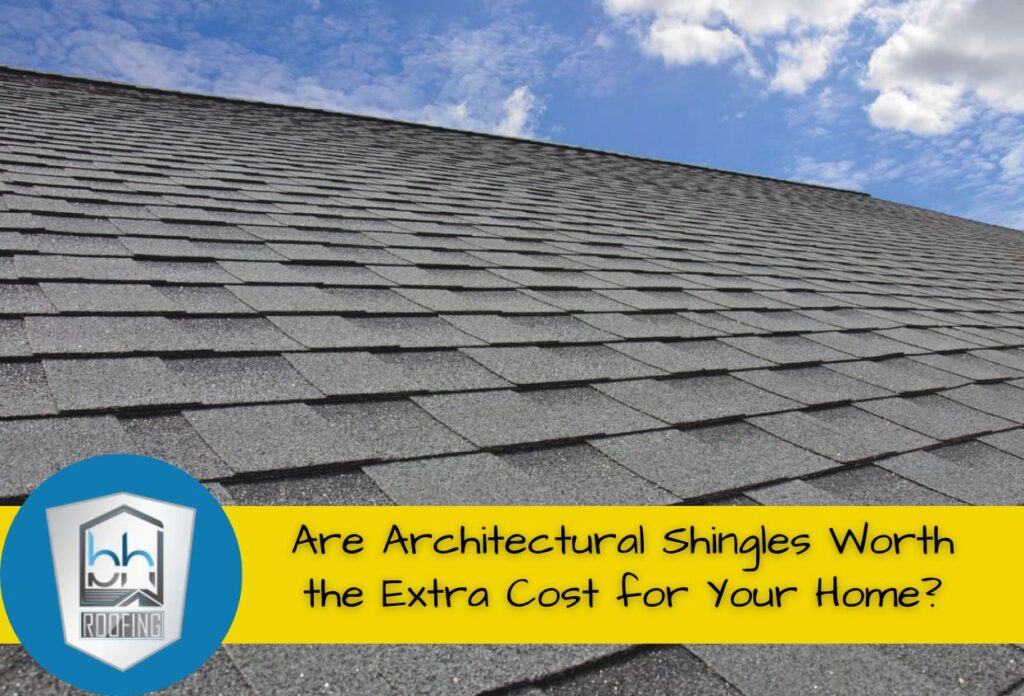
One of the main differences between architectural shingles and traditional 3-tab shingles is how they are manufactured. Traditional 3-tab shingles consist of a single layer of asphalt over a fiberglass or organic mat with a flat, uniform appearance. These shingles have cutouts that create three distinct tabs across each strip, giving them their characteristic name and simple pattern. The visual distinction between these shingle types changes the entire character of a roof. Dimensional shingles create shadow lines and texture that give depth and dimension, while 3-tab shingles present a flat, repetitive pattern. This difference in appearance significantly impacts home aesthetics and often influences resale value considerations.

In terms of manufacturing, architectural shingles use a laminated construction that bonds multiple layers of asphalt together. This multi-layer design creates dimensional shingles that are significantly thicker and heavier than standard options. The extra material adds weight and substance, which translates directly to better performance. When examining architectural shingles vs. 3-tab shingles side by side, the thickness difference becomes immediately apparent.

The construction method affects more than just appearance. Laminated shingles’ durability comes from the reinforced structure that resists wind damage, impact, and weathering more effectively. This engineering approach also prevents the cracking and splitting that typically occurs when thinner materials expand and contract through temperature changes. The additional layers provide redundant protection, meaning water has multiple barriers before reaching the roof deck. 

Overall, the superior construction of architectural shingles directly addresses the most common failure modes that affect traditional roofing materials.

The Proven Benefits That Make Architectural Shingles Stand Out

As mentioned above, the visual impact of architectural shingles creates immediate curb appeal that sets a home apart from others in the neighborhood. These dimensional shingles produce depth and shadow lines that give roofs a premium, high-end appearance. The textured look mimics expensive materials like natural slate or cedar shake without the maintenance requirements or installation complexity. This enhanced appearance translates into tangible value when considering property resale potential.

In general, homes with architectural shingles command higher asking prices and attract more buyer interest compared to homes with 3-tab shingle roofs. Architectural shingle benefits go beyond aesthetics to actual market performance. Homeowners who invest in quality roofing materials often see returns through faster sales and better offers. The upgraded appearance shows potential buyers that the home has been well-maintained and features quality construction throughout.

Weather protection is another critical advantage when comparing architectural shingles vs. 3-tab shingles. The additional material depth provides better protection against hail, which can puncture or crack standard shingles on first contact. The multi-layer construction also resists UV degradation more effectively and extends the life of the shingles by slowing the aging process that causes brittleness and failure.

The multi-layer construction of laminated shingles provides superior resistance to wind uplift, often rated for winds up to 130 miles per hour. The heavier weight and enhanced sealant strips create stronger adhesion to the roof deck, preventing the edge lifting that leads to blow-offs during storms. The dimensional design also reduces wind uplift by changing how air flows across the roof surface. These engineering improvements translate into fewer repairs after severe weather and better long-term protection for the entire roofing system. This performance matters during severe weather events that can strip away lesser materials. The heavier weight and reinforced structure keep shingles securely fastened even in challenging conditions.

Rain protection also improves with architectural shingles due to their thicker profile and better sealing properties. Water runs off more efficiently, reducing the chance of moisture infiltration that leads to leaks and interior damage. 

Weighing the Advantages and Potential Drawbacks of Laminated Shingles

Along with the benefits discussed above, there are many other reasons why homeowners choose architectural shingles over 3-tabs. The extended warranty coverage offered with architectural shingles provides substantial long-term value that often justifies the initial investment. Most manufacturers back these dimensional shingles with warranties ranging from 30 to 50 years, while standard 3-tab shingles typically carry only 20 to 25-year warranties. This extended protection period reflects the manufacturer’s confidence in their shingles’ durability and translates into decades of reliable performance for homeowners.

Plus, maintenance requirements drop significantly with architectural shingles compared to traditional options. The robust construction resists common problems like curling, cracking, and granule loss that plague thinner materials, meaning homeowners spend less time and money on repairs over the life of the roof. The pros and cons equation shifts favorably when factoring in reduced maintenance calls and fewer emergency repairs during storms.

However, these shingles are not without disadvantages. The higher initial investment remains the primary consideration when evaluating architectural shingles. These premium materials require a larger upfront commitment than basic 3-tab options. However, when spread across the extended lifespan and improved performance, the annual expense often proves comparable or even favorable. The calculation becomes clearer when factoring in avoided replacements and repair expenses.

Installation requirements are another practical consideration. Architectural shingles weigh more than standard alternatives, which may require a structural evaluation before installation. Some older roof decks need reinforcement to handle the additional weight safely. Professional installation is especially important with these materials to ensure proper application and warranty compliance. The complexity means installation takes longer and requires experienced contractors familiar with the right techniques for securing laminated shingles. Homeowners should weigh these cons against the numerous advantages of these shingles before making a final choice. 

Lifespan Expectations and Replacement Savings

Traditional 3-tab shingles typically last between 15 and 20 years under normal conditions, while architectural shingles routinely exceed 30 years and may even reach 40 years with proper installation and maintenance. This difference in expected lifespan fundamentally changes the economics of roof ownership. When examining architectural shingles vs. 3-tab shingles over several decades, durability becomes the decisive factor for many homeowners.

The extended lifespan means homeowners avoid at least one complete roof replacement cycle during their ownership period. Roof replacement is a major expense that disrupts household budgets and requires significant planning. By choosing materials with proven durability, property owners eliminate this future expense entirely or push it far into the future. The avoided replacement represents thousands in direct savings that offset the higher initial investment.

Repair frequency also drops substantially with architectural shingles due to their superior weather resistance and structural integrity. Standard shingles often require repairs every few years as individual pieces crack, curl, or blow away during storms. The accumulated repair expenses over two decades can approach a significant portion of what replacement would have been. Dimensional shingles maintain their integrity through weather events that would damage lesser materials, reducing emergency service calls and ongoing maintenance budgets. This reliability provides peace of mind alongside financial benefits, making the architectural shingle benefits clear for homeowners planning long-term ownership.

Making Smart Financial Decisions for Your Roofing Project

Evaluating the true cost of a roofing investment requires looking beyond the initial installation expense. The total cost of ownership calculation must include installation, ongoing maintenance, and the timeline for eventual replacement. When comparing architectural shingles vs. 3-tab shingles, homeowners should factor in how long each material will perform before requiring replacement. A roof that lasts twice as long effectively costs half as much per year of service, even with a higher purchase price.

The benefits of architectural shingles are clear when calculating annual expenses over the expected lifespan. If dimensional shingles last 40 years compared to 20 years for standard materials, the annual cost equalizes significantly despite the premium initial investment. Plus, as mentioned above, adding in the reduced maintenance requirements of laminated shingles further improves the financial equation. Fewer repairs mean lower expenses throughout the ownership period, with less disruption and hassle for the household.

Energy efficiency improvements offer another financial advantage that many homeowners overlook when evaluating dimensional shingles’ pros and cons. Many architectural shingles feature reflective granules that reduce heat absorption, keeping attics cooler during hot months. This thermal performance translates into lower cooling costs throughout the summer season. The energy savings accumulate year after year, offsetting the higher initial investment through reduced utility bills.

Insurance considerations also impact the overall financial picture. Many insurance companies offer premium discounts for homes with impact-resistant roofing materials, which include some quality architectural shingles. These products often meet Class 4 impact resistance ratings, the highest available designation. The annual insurance savings can amount to hundreds over the life of the roof, creating another stream of ongoing benefits that balance the upfront expense. Some policies also provide better coverage terms for homes with proven weather-resistant materials, reducing out-of-pocket costs after storm damage.

Determining if Architectural Shingles Are Right for Your Situation

Homeowners have multiple factors to consider when deciding if dimensional shingles are right for them. Climate often plays a significant role when deciding between roofing materials. Texas homeowners face intense heat, occasional hailstorms, and periods of severe wind that test roofs over the years. Architectural shingles handle these conditions better than standard alternatives due to their reinforced construction. Laminated shingles’ durability provides superior protection against hail impact and high winds that characterize Texas’s weather patterns. Homes in areas with frequent severe weather benefit most from the enhanced resilience that dimensional shingles deliver.

The style of a home influences how much value architectural shingles add to the overall appearance. Traditional and contemporary homes both benefit from the dimensional appearance that creates visual interest. Ranch-style properties gain sophistication with textured roofs that break up large expanses of flat surface. Two-story homes achieve dramatic curb appeal when topped with shingles that create depth and shadow lines. Colonial and Craftsman styles particularly complement the premium look of architectural shingles, enhancing their period-appropriate character.

Budget constraints require an honest evaluation of architectural shingle benefits against available resources. Homeowners planning to sell within five years may find standard materials adequate for their timeline. Those intending to remain in their homes for 10 years or longer typically benefit from investing in quality materials that eliminate replacement concerns. The architectural shingles vs. 3-tab shingles decision becomes clearer when aligned with ownership plans and financial capacity.

Homeowners with older roofs nearing replacement find architectural shingles particularly valuable since they avoid another replacement cycle for decades. First-time buyers stretching their budgets might reasonably select standard materials initially and upgrade during future replacement. Properties in premium neighborhoods maintain competitive value better with quality roofing that meets community standards. Understanding these pros and cons within personal circumstances can help homeowners make the right decision.

Is Investing in Architectural Shingles the Right Choice for Your Home?

Deciding on the right roofing material is crucial not only for enhancing the aesthetic appeal of your home but also for ensuring long-lasting protection. Architectural shingles, known for their durability and visual appeal, could be the perfect upgrade from traditional 3-tab shingles. At BH Roofing, we understand the importance of a robust and beautiful roof. Architectural shingles offer superior weather resistance and a stunning dimensional look that can boost your home’s curb appeal and overall value.

Considering their enhanced lifespan and minimal maintenance requirements, architectural shingles are generally worth the extra cost if you’re looking for a long-term investment in your property. Don’t compromise on quality when it comes to protecting your home. Call BH Roofing today at (210) 267-9029 to discuss how architectural shingles can benefit your roofing project.