TL;DR
For a rental, replace the roof before it fails, not after a tenant reports a leak: proactive replacement avoids emergency pricing and interior damage, and the cost is generally a depreciable rental expense (confirm with your CPA). Architectural asphalt shingles fit most rentals; metal pays off on a long hold. The other half of the job is coordinating around tenants with notice, daily cleanup, and a nail sweep. Budget from an inspected quote, not an average.
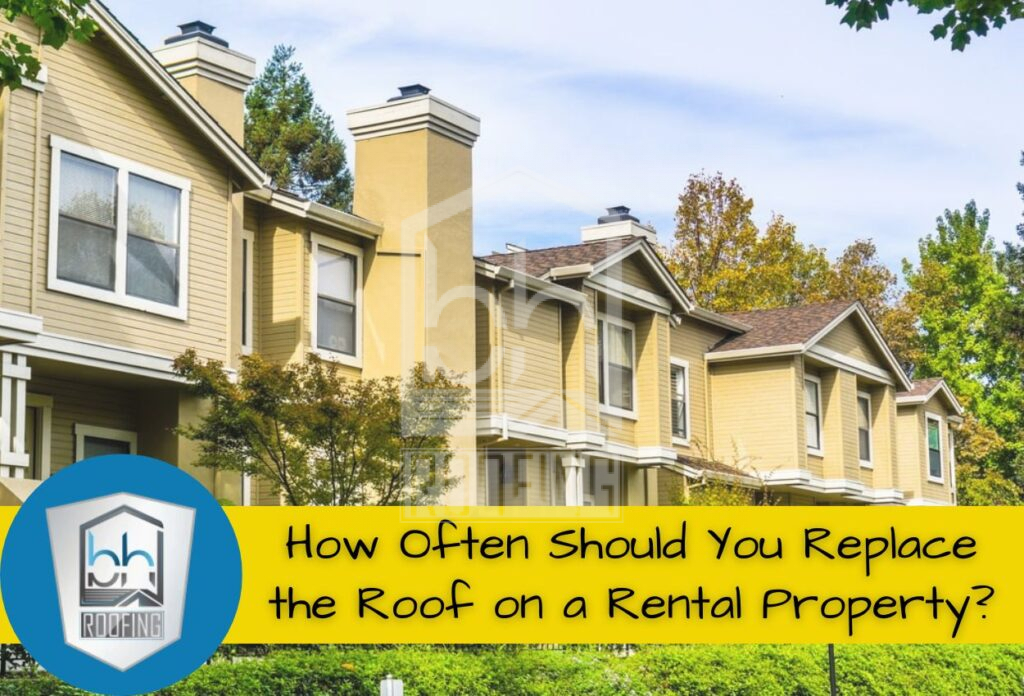
For a rental property, the smart time to replace the roof is before it fails, not after a tenant calls about a leak. A proactive replacement protects the building and your tenants, avoids emergency pricing and interior damage, and, for most owners, the cost is a deductible rental expense recovered through depreciation. The other half of the job is coordinating the work around the people living there.
Here’s when a rental roof is due, how the tax side generally works, how to keep tenants happy during the job, and which materials make sense for a rental. This is general information, not tax advice; confirm the specifics with your CPA.
When should you replace the roof on a rental property?
When the roof is near the end of its material life, when repairs are becoming frequent, or when an inspection finds widespread wear, whichever comes first. On a rental you also weigh tenant disruption and your hold plan, but the core signal is the same as any roof: recurring leaks and age. Replacing on your schedule beats replacing on the roof’s.
| Signal | What it means for a rental |
|---|---|
| Age near material lifespan | Asphalt 15 to 20 years locally; plan ahead of failure |
| Recurring repairs | Repair costs approaching a replacement favor replacing |
| Active or repeat leaks | Tenant habitability and interior damage risk rise fast |
| Widespread wear at inspection | Curling, bald, or storm-bruised across the roof |
A documented roof inspection tells you whether you have years left or months, so you can budget the replacement instead of scrambling for it. That lead time is what keeps a rental re-roof from becoming an emergency.
Can you deduct a rental property roof replacement on taxes?
Generally, a roof replacement on a rental is treated as a capital improvement, not a simple repair, so it’s recovered through depreciation over years rather than deducted all at once. That’s different from a residence, where the roof usually isn’t deductible at all. For many owners the depreciation, and sometimes bonus depreciation or Section 179 depending on the situation, offsets a meaningful share of the cost.
The rules are specific and change, so this is a CPA conversation, not a guarantee. Confirm how your replacement should be treated and check the current guidance on the IRS rental property guide before you plan around it. The tax treatment can influence the timing of the project as much as the roof’s condition does.
How do you replace a rental roof without upsetting tenants?
Give notice, schedule considerately, and communicate through the job. Tenants have a right to reasonable notice, and a heads-up about noise, debris, and timing goes a long way. A good contractor works efficiently, protects the tenant’s belongings and landscaping, cleans up daily, and sweeps for nails, which is the complaint that follows a sloppy re-roof.
On rental jobs locally, we’ve found the landlord who over-communicates keeps the tenant relationship intact, while the one who springs a roofing crew on a Monday morning gets the angry call. The roof work is routine; the coordination is what protects your tenancy. Clear scheduling and a clean site do most of it.
What roofing material makes sense for a rental?
Usually architectural asphalt shingles, because they balance upfront cost, a solid lifespan, and easy future repairs, which matters when you’re managing cost across a hold period. Metal can pay off on a long-term hold through its lifespan and lower maintenance, but the higher upfront cost is harder to justify if you plan to sell soon. The math follows your hold plan.
Impact-resistant shingles are worth a look on a rental too, since they resist hail and can earn an insurance discount that helps your operating numbers. Whatever you choose, install quality drives how few repair calls you field over the years. Our roof replacement work covers the materials that fit a rental, and for multi-unit buildings our multi-family roofing page applies.
How should you budget a rental roof replacement?
Start with a firm, inspected quote, then layer in the tax treatment and your hold timeline. A quality architectural shingle replacement on a typical home runs into five figures, and financing can spread it so it doesn’t hit one year’s cash flow. The depreciation recovery and any insurance help, if a storm was involved, change the net number.
The one figure everything depends on is an accurate scope for your specific building. For a national baseline on replacement pricing, Angi’s roof replacement cost guide gives ranges, and our inspection prices your actual roof. Budgeting from a real quote, not an average, is what keeps the project predictable.
The bottom line on rental roof replacement
Replace a rental roof before it fails, coordinate the work around your tenants, and treat the tax and hold-plan math as part of the decision. Architectural shingles fit most rentals, the cost is generally a depreciable rental expense, and clear communication protects the tenancy while the crew protects the building.
The first step is knowing exactly where the roof stands, so you can plan rather than react. Book a free roof inspection and you’ll get photos, a written condition report, and an honest timeline for replacement. Bring your hold plan and we’ll help you time it right.
Schedule Your Free Inspection or call (210) 267-9029.