TL;DR
A professional roof inspection takes 45 to 60 minutes and works attic-first: interior and decking, then shingles, flashing, penetrations, edges, and ventilation, with photos of every finding. It should end with a written report and one of three honest verdicts: fine, specific repairs with prices, or end of life with options. Ours is free, covers 27 points, and gets confirmed within 24 hours. Annual inspections after year 10 catch problems at their cheapest stage.
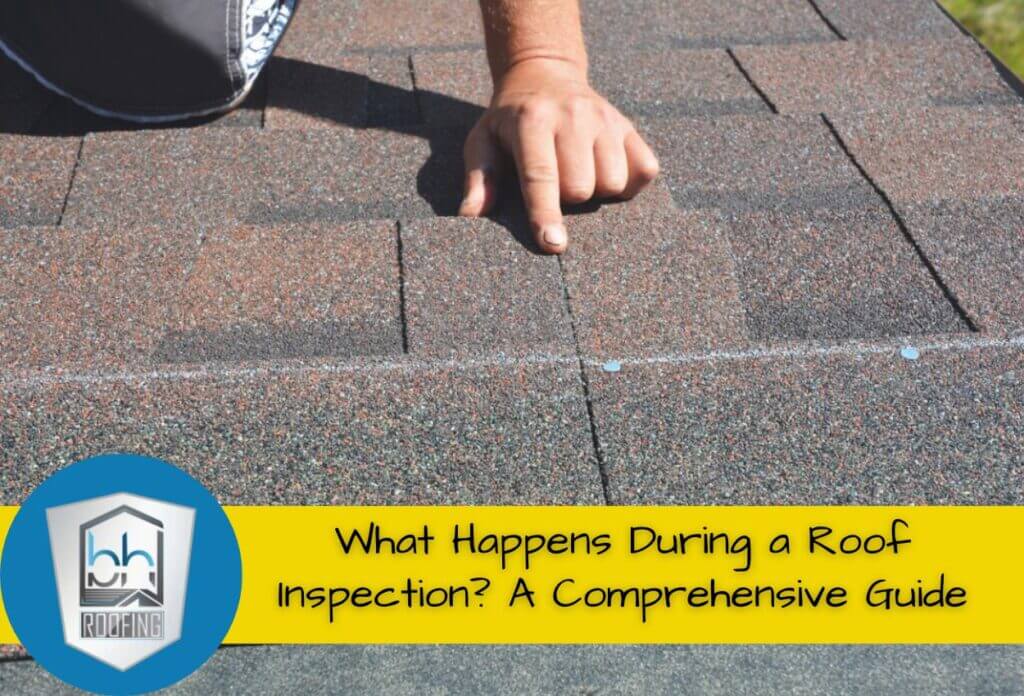
A roof inspection is 45 to 60 minutes of someone methodically checking the places roofs actually fail, then proving what they found with photos. That’s the whole mystery. Here’s exactly what happens during ours, in the order it happens, and what you should expect any competent inspector to hand you afterward.
What does a roof inspection actually check?
A real inspection works through every zone of the roof system, not just the shingles you can see from the street. Our 27-point inspection covers the attic and interior, the roof surface, every flashing and penetration, the edges and drainage path, and the ventilation that decides how fast the whole system ages.
| Zone | What gets checked |
|---|---|
| Attic and interior | Water stains, daylight through decking, insulation condition, ventilation airflow |
| Roof surface | Shingle condition, granule loss, creasing, hail bruising, seal strips, nail pops |
| Flashing and penetrations | Chimney, vents, pipe boots, skylights, valleys, sealant condition |
| Edges and drainage | Drip edge, fascia, soffit vents, gutters, downspouts, granule accumulation |
| Documentation | Photos of every finding, written report, honest repair-or-fine verdict |
The order matters more than people expect. We start in the attic, because the underside of the decking tells the truth: water stains and daylight show exactly where the surface story needs checking. Then the surface exam follows the water’s path from ridge to gutter, ending at the soft metals and downspouts where evidence of hail and granule loss collects.
Why does the attic come first?
Because roofs lie from the top and confess from underneath. A shingle field can look presentable while the decking below shows the dark rings of a slow leak around a pipe boot, and insulation compressed by moisture marks problems months before a ceiling stain appears. The attic also reveals the ventilation situation: on older homes here we regularly find soffit vents painted shut or buried in insulation, and an attic hitting 130 to 150 degrees in summer, quietly cooking the roof from below.
Ventilation findings change recommendations. There’s no point replacing shingles over an attic that will cook the new ones the same way, which is why attic ventilation gets checked before any repair conversation happens.
What happens on the roof surface?
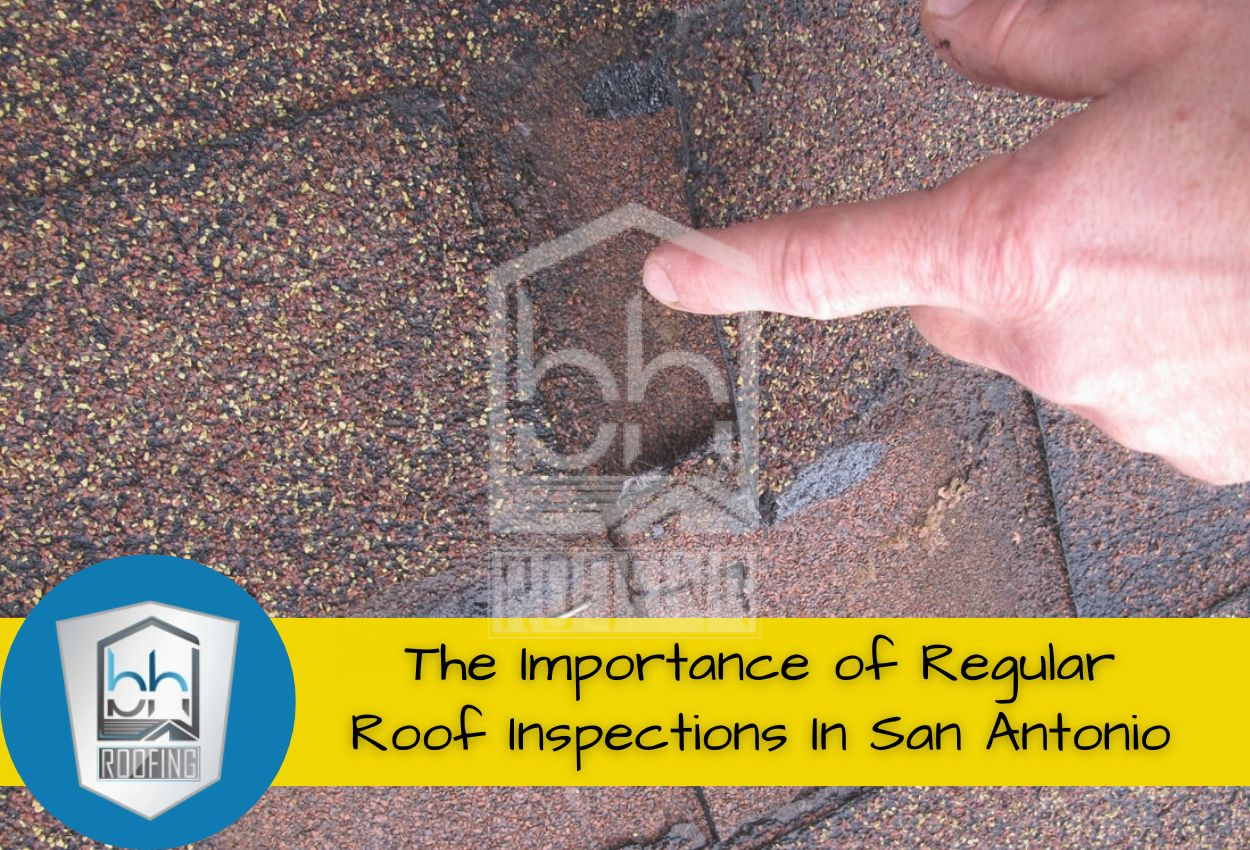
The inspector reads the shingles for age and events. Age shows as granule loss, curling corners, and brittle edges, with south- and west-facing slopes reading oldest because they take the most sun. Events show as directional wind creases along ridges and edges, or round hail bruises with matching dents in gutters and vents. After reported storms, we check the soft metals first, since hail that dents metal has bruised shingles whether or not it shows from the ground.
Flashing and penetrations get individual attention because that’s where most leaks start: chimney counter-flashing, pipe boots whose rubber cracks in the heat, skylight perimeters, and valley metal. A $200 pipe boot catch during inspection is the same problem that costs four figures after a year of slow leaking into the decking.
What should the report include?
Photos of everything, findings in plain language, and a straight verdict. Ours is a written report with photo documentation of every issue, delivered with one of three honest conclusions: the roof is fine, the roof needs specific repairs (itemized, with prices), or the roof is at end of life and here are the options. If the roof is fine, we say so in writing; that report is worth keeping, because a dated record of a healthy roof is the strongest evidence you can have when a future insurance claim needs to prove storm damage was sudden.
Be suspicious of inspections that end in a verbal summary and a contract. No photos means no evidence, and no written report means nothing to compare against next year or hand to an adjuster.
How much does a roof inspection cost, and how often do you need one?
Ours is free, takes under an hour, and gets confirmed within 24 hours of your request. As for frequency: twice a year once a roof passes 10 years old, after any storm that drops hail an inch or larger, and before buying or selling a home. Each of those inspections either catches a small problem at its cheapest or produces the dated documentation that makes insurance and warranty conversations easy.
For commercial buildings, the same discipline applies with different tools: drone surveys for large footprints, membrane and seam checks, and drainage review, through our commercial inspection service.
Book the look before the roof decides for you
Every expensive roof problem was once a cheap one that nobody saw. An hour of inspection with photos is how you catch them in the cheap phase, and if there’s nothing to catch, you get that in writing too.
BH Roofing is a GAF Master Elite® contractor serving greater San Antonio. Schedule your free 27-point inspection or call (210) 267-9029; most appointments are confirmed within 24 hours.