
TL;DR
Local roofs fail from a short list: heat-aged shingles, cracked pipe boots, flashing gaps, hail bruising, wind-lifted tabs, and blocked attic ventilation. Most single fixes run $150 to $800 (national average $1,147), while hail claim repairs average $4,250. Heat drives the list: asphalt roofs that last 20 to 30 years nationally average 15 to 20 here. A ground check twice a year plus a free annual 27-point inspection catches nearly everything early.
Every climate breaks roofs its own way. Ours uses a one-two punch: months of hard sun that cook shingles from above, then hail and wind that hit them while they’re weakened. Run enough inspections and the same short list of problems shows up over and over. Here’s that list, what each fix costs, and how to tell trouble that’s cosmetic from trouble that’s about to become a ceiling stain.
What roofing problems show up most on local roofs?
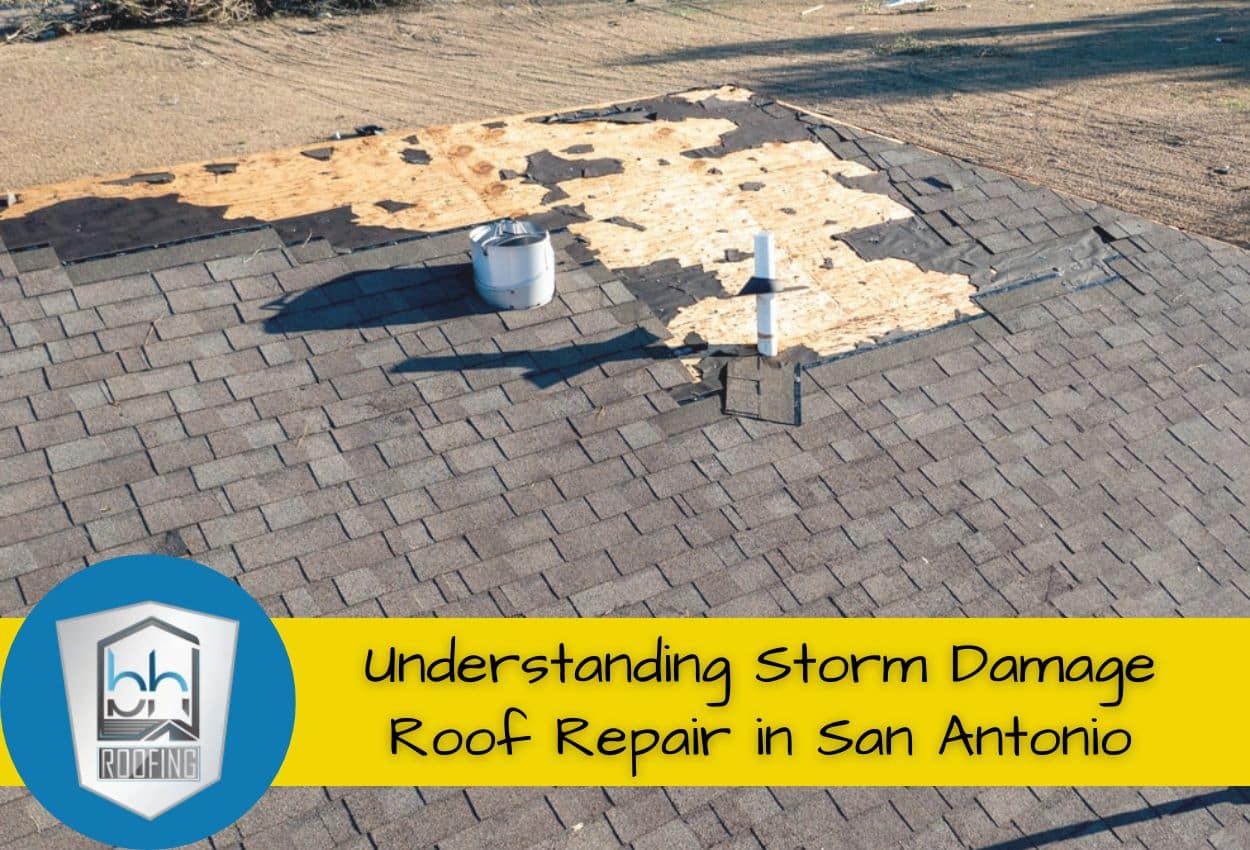
Six issues cover most of what we find: heat-aged shingles, cracked pipe boots, flashing gaps, hail bruising, wind-lifted shingles, and choked attic ventilation. Heat drives more of them than storms do. Asphalt roofs that last 20 to 30 years nationally average 15 to 20 in Texas heat, and 2025 made the point locally with a record 162 days at 90 degrees or hotter.
Sun works on a roof from both sides. UV dries out the asphalt binders, so shingles shed granules, crack, and curl at the edges. Meanwhile the attic under them can sit at 130 to 150 degrees on summer afternoons, baking the mat from below. Granule piles at your downspouts are that process made visible.
The single leak source we trace most often is smaller than a dinner plate: the rubber pipe boot around plumbing vents. The neoprene collar dries and splits years before the shingles around it fail, and the leak shows up as a mystery stain near a bathroom.
What does each roofing problem cost to fix?
Most single-issue repairs stay in the $150 to $800 band, with the national average around $1,147. Hail is the outlier: the average insurance-claim repair runs about $4,250. Caught early, everything on this list is a service call, not a project.
| Issue | Early warning sign | Typical cost |
|---|---|---|
| Heat-aged shingles (cracking, curling) | Granule piles in gutters and downspouts | $200 to $500 per repair area |
| Cracked pipe boot | Ceiling stain near a bathroom or kitchen | $150 to $400 |
| Flashing gaps at chimneys and walls | Leaks only during wind-driven rain | From $200 |
| Hail bruising | Dents on gutters, vents, and soft metals | $4,250 average claim repair |
| Wind-lifted or creased shingles | Tabs that flap or sit unsealed | $150 to $800 |
| Blocked attic ventilation | Attic at 130 to 150 degrees, curling from below | Often minor once identified |
Every row on that table gets more expensive with time, because water and heat don’t pause while you decide. For the full escalation math, see what happens when a small leak waits too long.
Why does heat cause so many of these problems?
Two mechanisms do the damage. The first is thermal cycling: temperatures here can swing 30 degrees overnight, and every swing expands and contracts shingles, flashing, and sealant until something opens up. The second is trapped attic heat, and it’s often self-inflicted. On inspections, we regularly find soffit vents painted shut from an old exterior paint job, which means the attic can’t breathe at all.
A roof that can’t vent runs hotter, ages faster, and can even complicate shingle warranty claims, since manufacturers expect proper ventilation. It’s a big part of why roofs age faster here than the packaging suggests.
Which problems are storm damage and which are just wear?
Insurance pays for sudden storm damage: hail bruises, wind-creased shingles, punctures from limbs. It doesn’t pay for wear: heat-aged shingles, dried pipe boots, tired sealant. Adjusters can read the difference, and mixing the two up costs homeowners real money in denied claims and wasted deductibles.
The fastest hail check doesn’t start on the shingles. Look at your soft metals first: gutters, vents, and window wraps. If hail dented those, the shingles took hits too, and it’s time for our hail damage guide. Before filing anything, run the deductible math, since Texas wind and hail deductibles typically run 1 to 2 percent of dwelling coverage. Our insurance claim guide walks through when filing makes sense.
How do you catch roofing problems early?
Twice a year, give the roof five minutes from the ground: curled or missing tabs, granule piles below downspouts, dents on gutters, and sagging lines. After any hailstorm, check the attic with a flashlight following the next hard rain. Then let a pro see it annually. Our 27-point inspection is free and comes with photos and a written report, so you know exactly what’s real. Here’s what happens during a roof inspection.
When something does turn up, small roof repair jobs handled promptly are what keep this list boring. The expensive version of every issue above started as the cheap version.
Knock out the list before it grows
You don’t need to memorize roofing failure modes. You need a ground check twice a year, an attic look after big storms, and one honest inspection annually. BH Roofing is a GAF Master Elite® contractor, the 27-point inspection is free with photos and a written report, and if what we find is minor, that’s exactly what we’ll tell you. Schedule yours, serving greater San Antonio.